
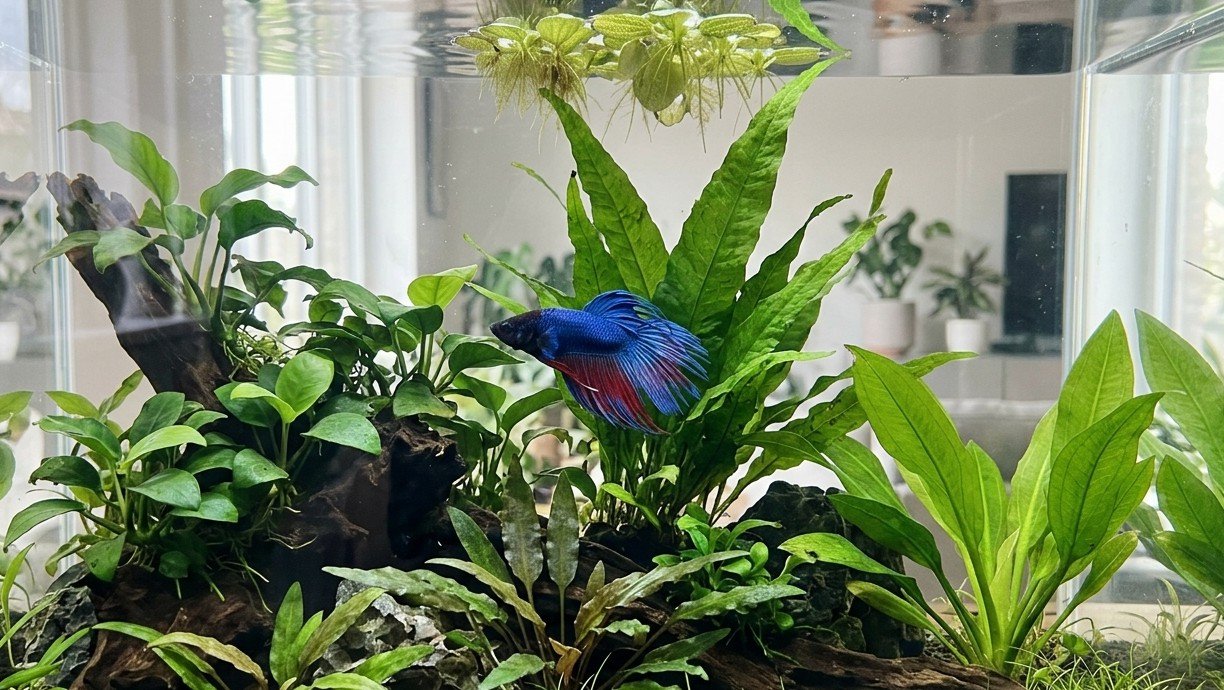
Java fern is the most dependable pick for a betta tank: it has the broadest support, grows in low light, and its wide leaves give a betta a real resting spot. Anubias nana petite and java moss follow close behind. Skip Amazon frogbit even though overseas guides love it, because it is prohibited matter in NSW and banned in the ACT.
The best plants for betta fish tank setups give a betta soft cover to hide in, broad leaves to rest on near the surface, and a little shade, without sharp edges that tear long fins. Bettas come from slow, weedy waters in Southeast Asia, so live plants suit them better than bare glass.
Australian fishkeepers usually choose between rhizome plants such as java fern and anubias, mosses, marimo balls, rooted plants like cryptocoryne and rootless floaters such as hornwort. The number to watch is surface coverage: keep about half of the water surface open so the betta can reach air.
Prices are small. Most of these plants cost between $9 and $18 from Australian plant shops, with a $45 tissue-culture pot the outlier. The real cost is availability, because several popular plants were sold out on the day I checked.
This list covers six low-light live plants that Australian shops sell and that I could confirm as safe for a betta tank. It leaves out Amazon frogbit and other declared weeds, and it sits alongside the best aquarium plants for beginners and best betta fish tanks lists.
Amazon frogbit (Limnobium laevigatum) is prohibited matter in New South Wales, where possession, movement and sale are illegal, and it is banned in the ACT. NSW DPI says it has turned up for sale in aquarium shops, at markets and online, and that illegal dumping of aquarium and pond plants is the main cause of infestations. Aquarium Co-Op lists it as a top betta plant, but that advice was written for an overseas audience. Hornwort is native to most of Australia yet is a declared weed in Tasmania, where importing and selling it is prohibited. Micro Aquatic Shop says it cannot ship live plants to Western Australia, the Northern Territory or Tasmania. I found no declared-weed listing for the other plants here, but I did not check every state list, so confirm with your state agency.
The Best Plants for Betta Fish Tanks, Compared
| Plant | Type | Best For | Key Trait |
|---|---|---|---|
| Java Fern | Rhizome plant | Resting leaves and hardiness | Ties to wood, no substrate needed |
| Anubias Nana Petite | Rhizome plant | Small tanks and foreground | Slow growth, 1 to 2 cm leaves |
| Java Moss | Moss | Soft cover and hiding spots | Attaches to wood and rock |
| Cryptocoryne wendtii | Rooted plant | Midground leaf cover | May melt when first planted |
| Marimo Moss Ball | Algae ball | Easy, low-effort decor | Prefers cool water |
| Hornwort | Floating stem plant | Surface cover and shade | Rootless, grows fast |
How I Compared It
I researched these plants rather than growing each one, so none carries a hands-on score. productreview.com.au has no per-plant listings, so evidence comes from Aquarium Co-Op’s betta plant guide, plus customer ratings and review counts on Micro Aquatic Shop’s listings. Legal status comes from NSW DPI’s frogbit page and Tasmania’s hornwort declaration. Prices and stock were checked on live listings from Micro Aquatic Shop, Roxy Aquarium and AuShrimpHome on 29 September 2026. Reddit was not readable by my tools, so owner evidence is thinner than usual. See the Betta Fish hub for related guides.
1. Java Fern (Microsorum pteropus) – Best for a hardy resting-leaf plant
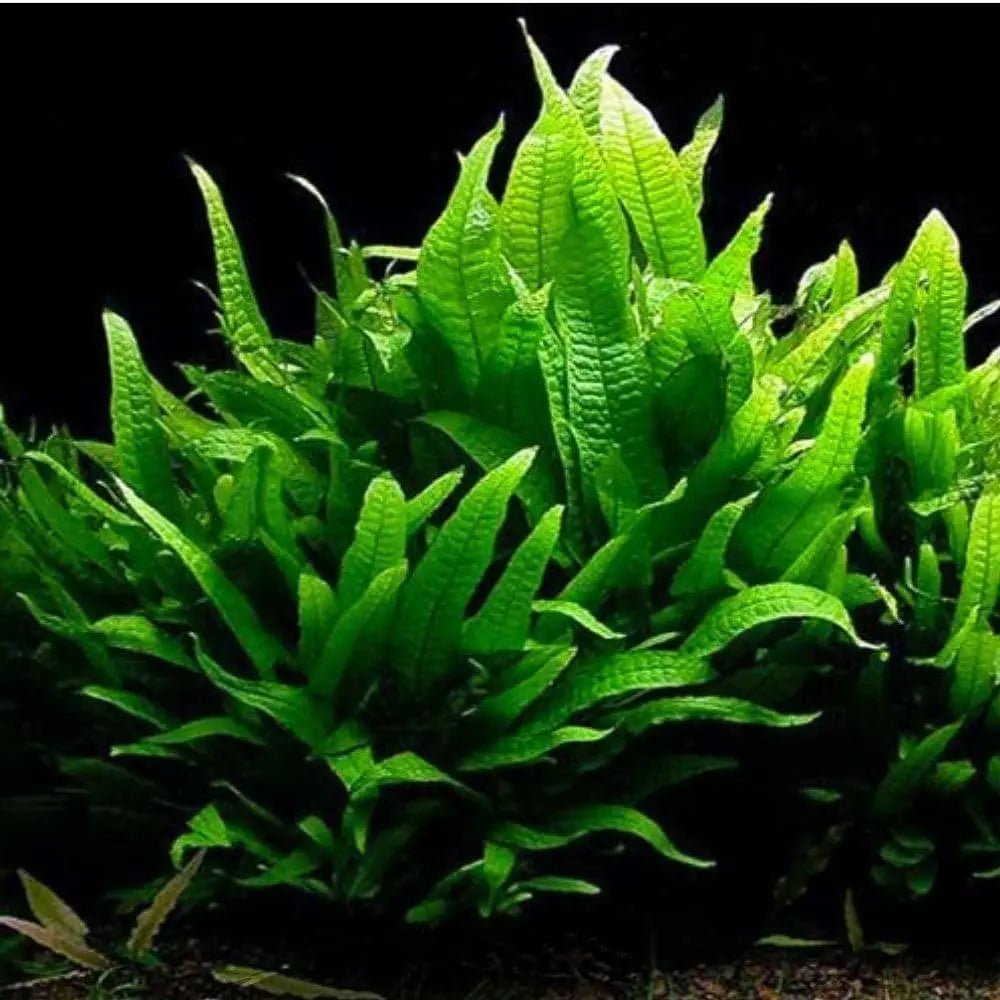
Java fern is the plant I would tell a first-time betta keeper to buy first. Aquarium Co-Op lists it, with anubias, as a low-maintenance rhizome plant that attaches to rock or wood and gives a betta a place to rest without needing any substrate. Micro Aquatic Shop sells a medium plant with five to six leaves for $18, and it was sitting at 874 units on 29 September 2026.
There are two real complaints. One of its 19 reviewers received plants with black, rotting roots that needed treatment, which is a reminder to inspect anything arriving by post. The other is placement: bury the rhizome and it rots, so tie or glue it to hardscape.
Compared with the anubias below, java fern gets larger and more leaf-heavy, which gives more resting surface but also more trimming. If you want something smaller for a compact tank, the petite anubias is the tidier choice.
Pros
- Wide, sturdy leaves work as a resting surface
- Tolerates low light and warm betta water
- 874 units in stock at Micro Aquatic Shop, so it is easy to find
Cons
- One reviewer received plants with rotting black roots
- The rhizome must stay above the substrate or it rots
- Micro Aquatic Shop cannot ship to WA, NT or Tasmania
2. Anubias Nana Petite – Best for small tanks and a low-effort foreground
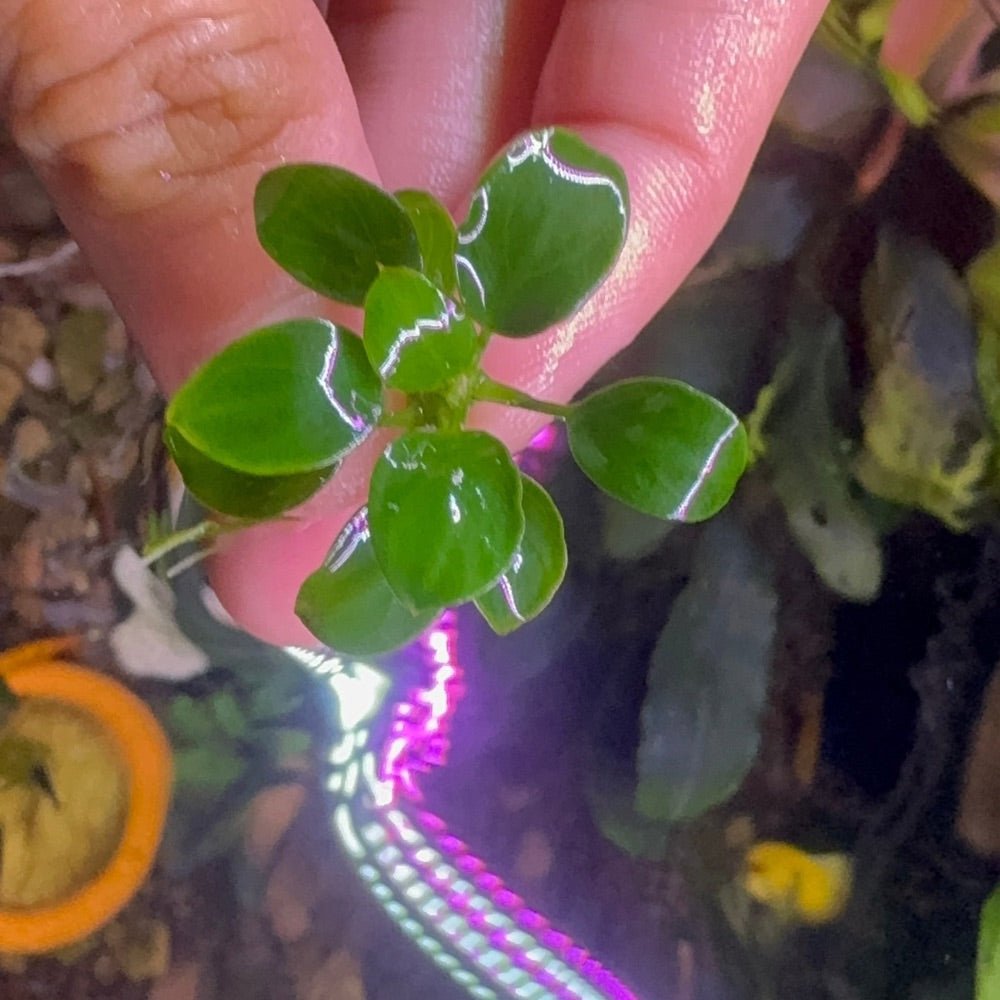
Anubias nana petite is the one that fits small tanks. Micro Aquatic Shop sells it at $18, down from $28, with 21 in stock, and rates it as medium hardiness with slow growth. Attach it to driftwood or rock and leave it alone. Aquarium Co-Op groups it with java fern as a plant that gives bettas resting spots without a substrate.
Its sample is small: 14 reviews, 79% of them five star, so a few buyers were less than delighted. The leaves are only 1 to 2 cm, so this is a foreground accent, not a resting platform like the java fern above.
Pairing the two is a sensible approach. Use java fern for leaf cover in the back and the petite anubias for detail at the front. If you want a bushier soft plant beside them, the java moss below is the natural partner.
Pros
- Slow growth means almost no trimming
- Grows without CO2 and can live emersed
- Small leaves suit a 15 to 20 litre tank
Cons
- Small 1 to 2 cm leaves give less resting surface than java fern
- Only 79% of 14 reviews were five star
- Micro Aquatic Shop will not ship to WA, NT or Tasmania
3. Java Moss (Taxiphyllum barbieri) – Best for soft cover and hiding spots
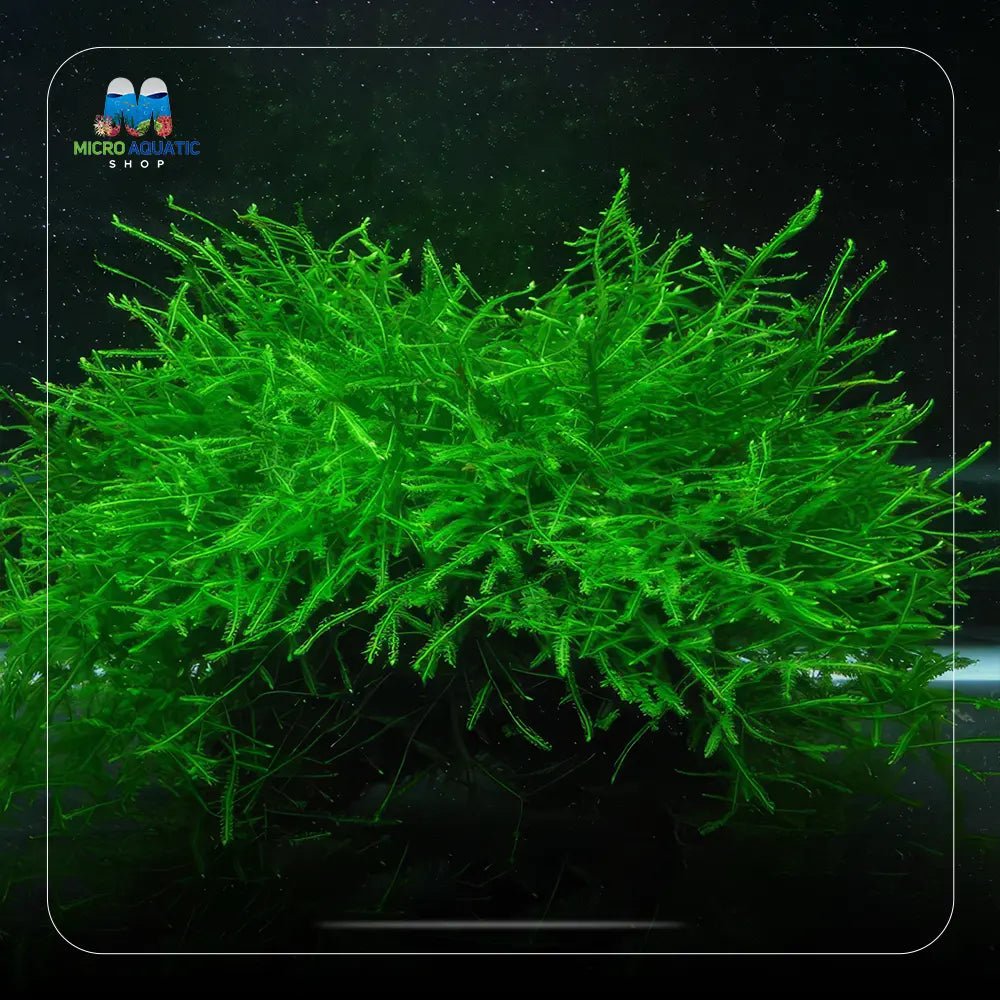
Java moss is the softest cover on the list. Micro Aquatic Shop lists a golf-ball-sized 5 x 5 cm portion for $18 with 825 in stock and a 5-star average across 30 reviews, the best-reviewed listing I found for any plant here. It attaches to wood or rock and needs nothing beyond low to moderate light.
The complaint is size for money. You get a small portion for $18 and it takes time to spread into a proper clump. Tie it to a branch or tuck it into a rock crevice so it stays put.
Against the java fern above, moss is softer but offers no resting surface. Bettas cannot lie on it the way they can on a broad fern leaf, so use it to fill gaps and hide equipment, not as your only plant.
Pros
- Perfect 5-star rating across 30 reviews on Micro Aquatic Shop
- Grows without CO2 or substrate
- Gives soft cover that will not snag fins
Cons
- The $18 portion is only about 5 x 5 cm
- Needs tying to wood or rock to hold its position
- Cannot be shipped to WA, NT or Tasmania
4. Cryptocoryne wendtii Green Gecko – Best for midground leaf cover
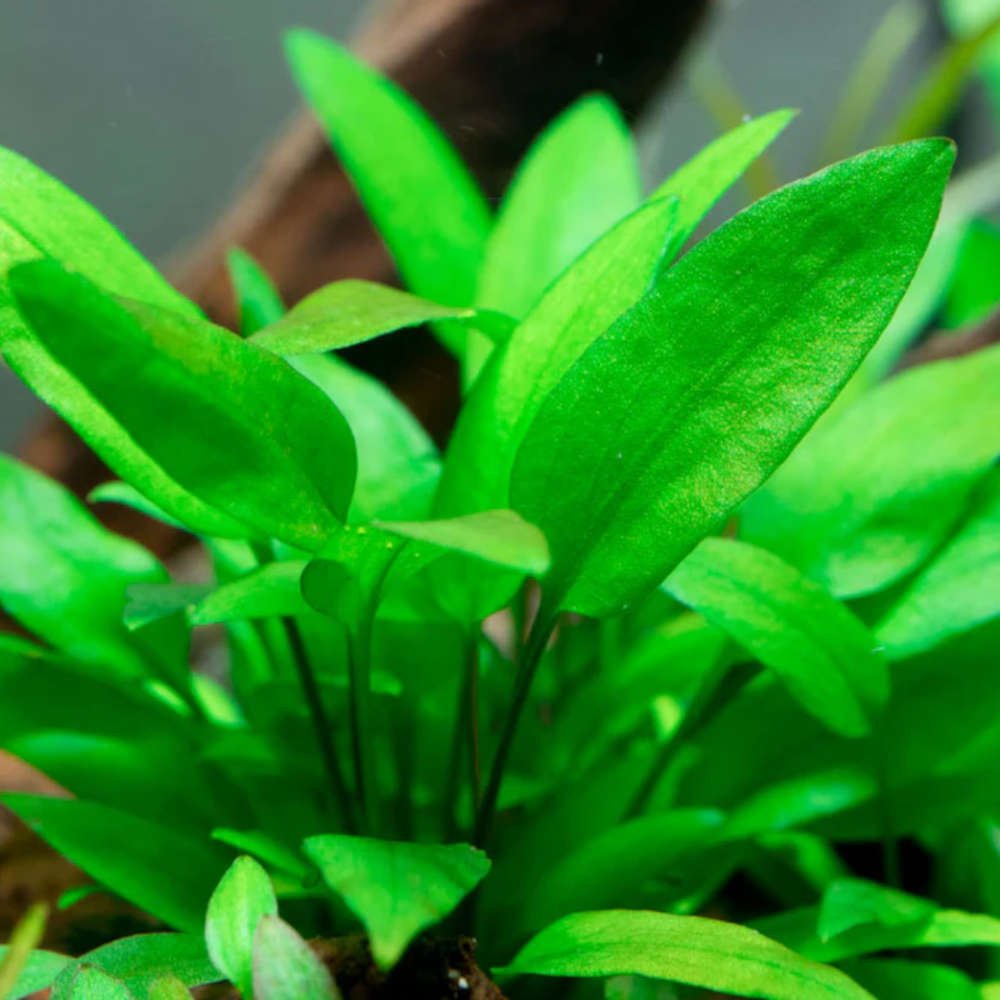
Cryptocoryne wendtii Green Gecko adds leafy cover in the middle of the tank. Roxy Aquarium listed a pot at $14.95, with four in stock, and described it as very easy to grow and spreading by runners. Micro Aquatic Shop’s tissue-culture version was $45 and sold out, so shopping around saves real money.
The known problem is melt. Roxy states plainly that new plants may drop their leaves and brown when first introduced, then usually recover. Aquarium Co-Op adds a placement warning: do not bury the rhizome, which can kill the plant.
Compared with java fern, a crypt needs a substrate to root in, so it costs a little more tank prep. It is worth it if you want lower leaf cover that a betta can weave through.
Pros
- Broad, wavy leaves fill the midground
- Spreads by runners into a dense clump
- Grows without CO2
Cons
- Prone to crypt melt when first planted
- Rhizome must not be buried
- Micro Aquatic Shop’s tissue-culture pot was sold out at $45
5. Marimo Moss Ball – Best for effortless decor if your tank stays cool
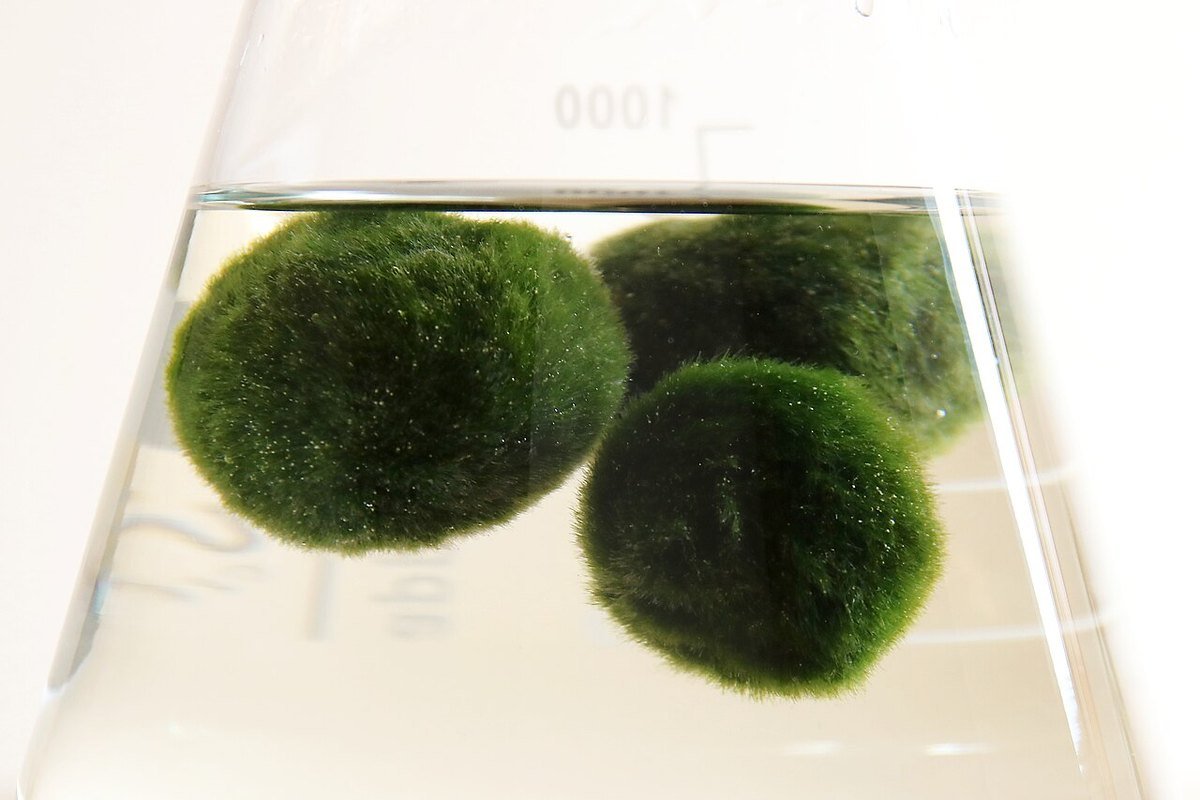
Marimo balls are the low-effort choice. AuShrimpHome lists a locally cultivated ball at $8.95, down from $10, though both sizes were sold out on 29 September 2026. Aquarium Co-Op calls it the world’s easiest aquarium plant, and bettas often nudge them around like toys.
Here is the honest catch. AuShrimpHome notes marimo are native to cool lakes and should be kept cool and out of direct sunlight, or they turn brown. A betta tank sits warm, so in an Australian summer heatwave the ball may struggle. That is my inference from the care notes, not something a source tested, so watch for browning.
It also gives no resting surface. Use it as decor next to the java fern above, not instead of a leafy plant.
Pros
- Cheapest item here, at $8.95 from AuShrimpHome
- Aquarium Co-Op calls it the world’s easiest aquarium plant
- Needs no substrate, fertiliser or CO2
Cons
- Sold out at AuShrimpHome on the day I checked
- Native to cool lakes, while bettas need warm water
- Turns brown in direct light
6. Hornwort (Ceratophyllum demersum) – Best for floating cover without frogbit
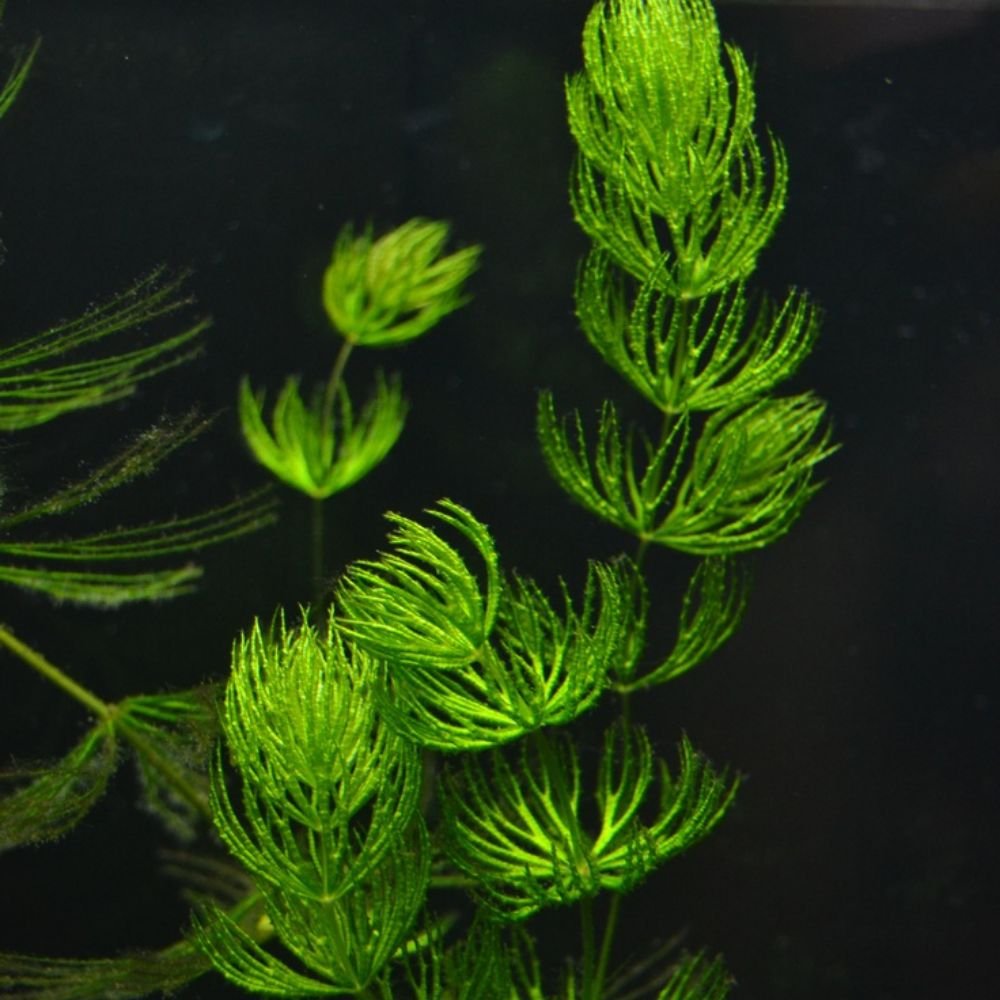
Hornwort is the legal alternative to frogbit for floating cover. Micro Aquatic Shop lists three 10 to 15 cm stems for $14.95, though it was sold out on 29 September 2026. It is rootless, grows quickly and provides the surface shade a betta likes. The Tasmanian Government hornwort page covers its declared status.
There are two legal notes. Hornwort is native to Australia except Tasmania, so it is fine in most states, but it is a declared weed in Tasmania where import and sale are prohibited. Shipping restrictions also mean Micro Aquatic Shop cannot send it to WA, NT or Tasmania.
Use it sparingly. Aquarium Co-Op advises keeping at least half the surface clear, and hornwort grows fast enough to close that gap, so trim it regularly. The evidence for hornwort as a betta plant is thinner than for the fern or anubias, which is why it ranks last.
Pros
- Rootless, so it floats or sits loose without planting
- Gives surface shade and bubble-nest cover
- Native to most of Australia
Cons
- Sold out at Micro Aquatic Shop when I checked
- Declared weed in Tasmania, where sale is prohibited
- Stems can grow to about 3 metres, so it needs trimming
How to Choose
Start with the tank size and the fish’s behaviour. A 20 litre tank fits java fern, a petite anubias and a small patch of moss. A larger tank, such as those in the best betta fish tanks list, has room for a crypt and floating cover as well. Leave about half of the surface clear so your betta can breathe.
Then check the light. All six plants here grow in low light without added CO2, so you do not need strong lighting or a regulator. If you want to go further, the best aquarium CO2 systems are worth a look, but a betta tank does not need one. A stable planted aquarium substrate helps rooted plants like cryptocoryne, and the rhizome plants need none.
Finally, choose silk over plastic if you add any artificial plants. Hard plastic edges can tear a betta’s fins, while silk stays soft.
Betta and Plant Guides
More on setting up a betta tank: best betta fish tanks, best aquarium plants for beginners, best planted aquarium substrate, best LED lights for planted aquariums and best aquarium heaters. Browse the full Live Plants hub.
- betta fish tank ideas
- betta tank mates
- what size tank a betta needs
- best background plants for aquariums
Frequently Asked Questions
Is Amazon frogbit legal to keep in Australia?
Not everywhere. Amazon frogbit is prohibited matter in New South Wales, where possession, movement and sale are illegal, and it is banned in the ACT. Many overseas betta guides still recommend it. Check your state’s rules first, and never dump aquarium plants in a creek, drain or dam.
Do betta fish need live plants?
No, but they help. Live plants give bettas resting spots, cover and a calmer tank, and they soak up some waste. If you use artificial plants instead, choose silk. Hard plastic leaves develop sharp edges that can tear a betta’s long fins, especially as they age.
How much of the surface should plants cover in a betta tank?
Leave at least half of the water surface clear. Bettas are labyrinth fish that gulp air from the surface, so a solid mat of floating plants can block them. Floating cover is useful for bubble nests and shade, but trim it back whenever it starts to take over.
Can I order aquarium plants to Western Australia or Tasmania?
Usually not. Live aquatic plants face quarantine restrictions in Western Australia, Tasmania and the Northern Territory, and Micro Aquatic Shop states it cannot ship live plants to those three regions. Ask your local aquarium shop what is legal to sell in your state, and check with your state biosecurity agency.
Do betta plants need CO2 or strong lighting?
No. All six plants here grow in low to moderate light without added CO2. That is why they suit a small betta tank with a basic LED. Strong lighting without CO2 mostly grows algae, so keep the light modest and the photoperiod to about eight hours.
Why is my new cryptocoryne melting?
Cryptocoryne often drops its leaves after moving to a new tank, a reaction called crypt melt. The plant usually regrows from the roots once it adjusts. Keep the rhizome above the substrate, leave it alone for a few weeks, and only remove leaves once they turn fully brown.
For a betta tank you will not have to fuss over, start with java fern for leaf cover and add a petite anubias and a portion of java moss for detail and soft hiding places. If you want floating shade, use hornwort instead of frogbit, and skip frogbit entirely if you live in NSW or the ACT. Marimo is a cheap extra only if your tank stays cool, and cryptocoryne is a good midground plant once you accept it may melt before it settles.
