
Nitrate vs Nitrite: What’s the Difference?

At a Glance Nitrite is the dangerous one. Aim for 0 ppm and act the same day if it reads 0.2 ppm or more. Nitrate is the far milder end … Read more
Keep your water clean, cycled and safe for fish.
At a Glance Nitrite is the dangerous one. Aim for 0 ppm and act the same day if it reads 0.2 ppm or more. Nitrate is the far milder end … Read more
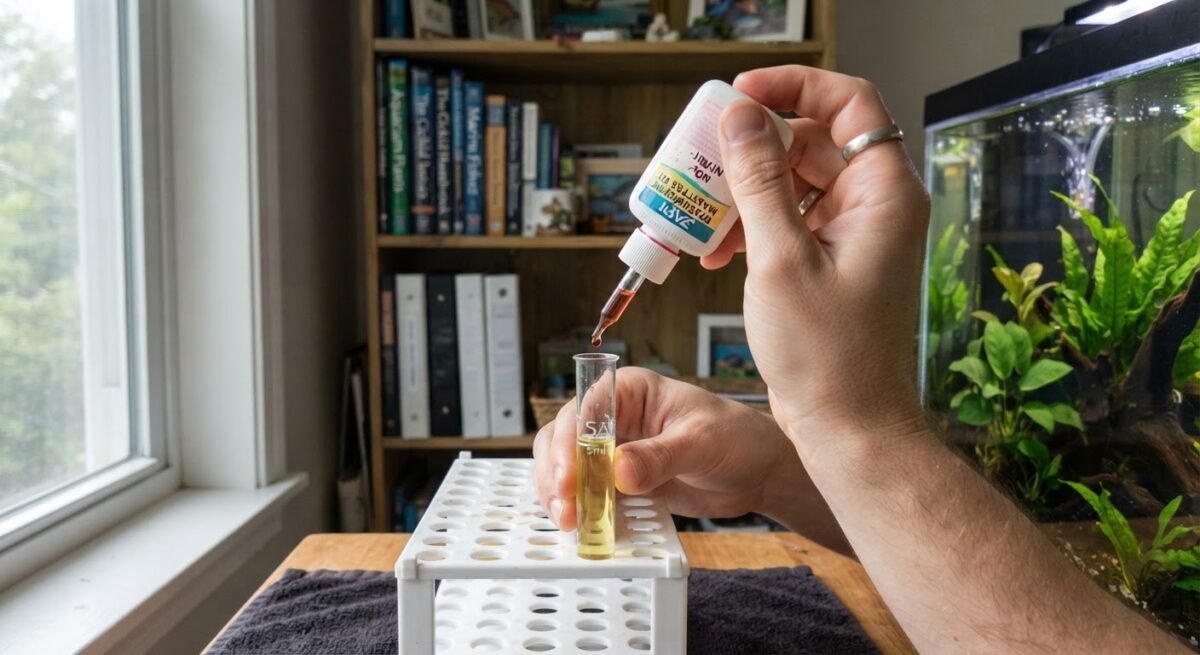
At a Glance If your tap water is chloraminated, which covers most Australian capital cities, Seachem Prime is the safer default because it detoxifies the ammonia left behind by breaking … Read more
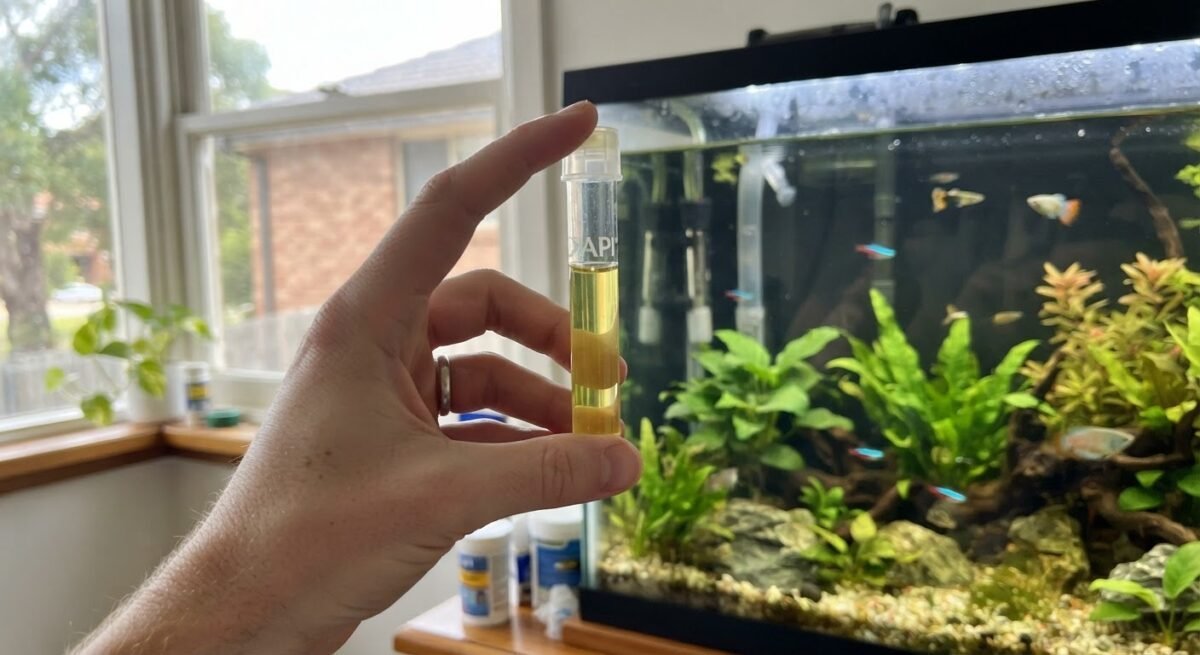
At a Glance Most guides quote about 4 to 6 weeks to cycle a fish tank, but real tanks range from roughly 2 weeks to 2 months or more. It’s … Read more

At a Glance Nitrate is the end product of the nitrogen cycle, and only removal lowers it. Most guides aim to keep it under about 20 to 40 ppm. Change … Read more

At a Glance Cycling grows the bacteria that turn toxic ammonia into nitrite, then into nitrate. The tank is cycled when it clears 2 ppm of ammonia to 0 ppm … Read more

At a Glance Test KH first, because low KH is usually why pH is low or keeps dropping. Most community tanks sit happily at pH 7.0 to 7.8 and KH … Read more
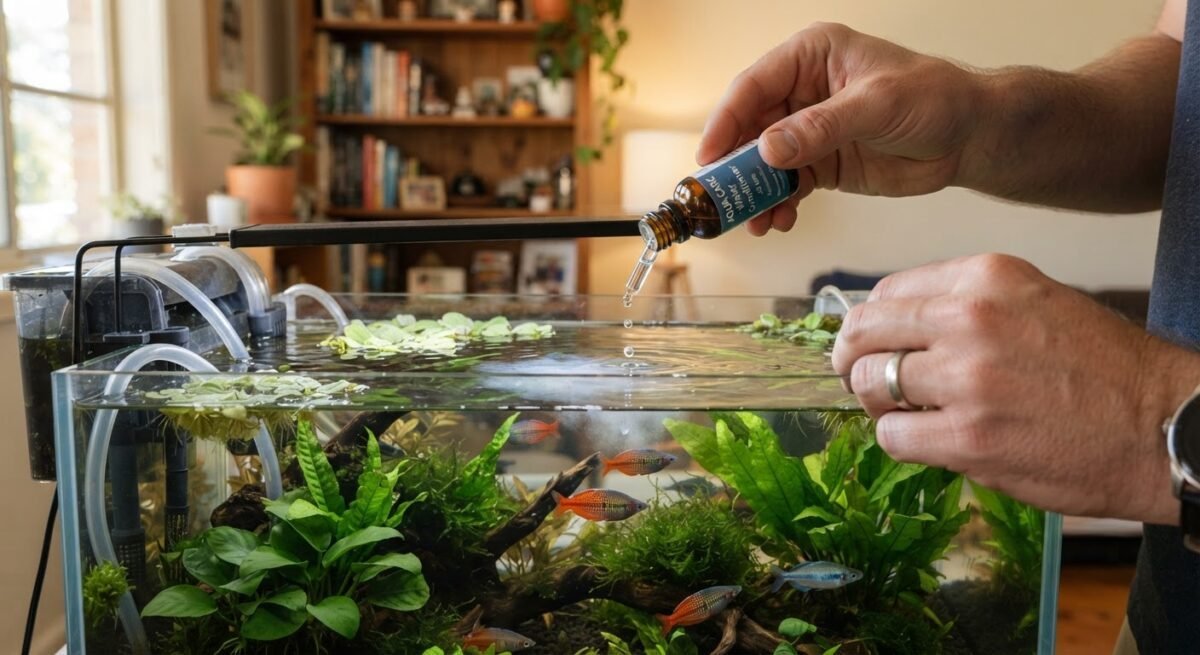
At a Glance Most fish cope with a pH up to about 7.8, and some sources say anything under 8.5 is fine, so many tanks don’t need lowering at all. … Read more

At a Glance Test ammonia, nitrite, nitrate and pH with a liquid kit. Take the sample from the main body of the tank, wait the full time on the instructions … Read more

At a Glance Ammonia should read 0 ppm in a healthy tank. If it doesn’t, stop feeding for 1 to 3 days, change 25 to 50 per cent of the … Read more