

Selleys Glass Silicone is the safest all-round buy: 100% silicone that the manufacturer itself says is fine for small aquariums, sold at Bunnings for about $17 to $18 with a 7-day cure. SikaSeal-401 Aquarium is the cheaper small-tube option with a weaker 3.6-star record. Never use Selleys All Clear or any bathroom silicone with mould inhibitors in a fish tank.
The best aquarium silicone is 100% silicone with no mould inhibitor or fungicide, cures fully before it touches water and holds a watertight bead on glass for years. Ordinary household sealants often contain additives that are harmless in a bathroom but harmful to fish, which is why the label matters more than the brand.
Australian shops sell three types: general 100% glass silicones such as Selleys, aquarium-labelled silicones such as SikaSeal-401, and hybrid underwater sealants for bonding backgrounds or equipment. The numbers to watch are cure time, which is 7 days before fish, and size: small tank repairs are a DIY job, large tank seams are not.
Cost is small. A tube or cartridge runs from about $11 to $30, and one 310 g cartridge does several small jobs. The real cost of getting it wrong is a leak or a dead tank, so the cheap tube is a poor place to save.
This list covers silicones you can buy in Australia for resealing, repairing and small builds. It leaves out structural silicones for large custom tanks, and it sits beside the best fish tanks and starter kits and best small fish tanks guides.
Selleys states that the only Selleys product safe to use in aquariums is its Glass Silicone, and that All Clear is solvent based and must not go in a tank. Allow 7 days to cure, then wash the tank out, drain and refill before adding fish. Selleys also says the silicone suits small aquariums and that large tanks need specialist design. See the Selleys aquarium guidance for the wording.
The Best Aquarium Silicone, Compared
| Product | Type | Best For | Key Spec |
|---|---|---|---|
| Selleys Glass Silicone | 100% acetic silicone, clear | Most repairs and small tank reseals | 7-day cure, sold in 75 g and 310 g |
| SikaSeal-401 Aquarium | Acetoxy silicone, clear | Small repairs and pumps | Skins in about 7 to 10 minutes, cures about 3 mm per 24 hours |
| Admil Prosil 20 Glass Silicone | 100% acetic silicone, black or clear | Black seams on tank builds | BS 5889 approved (retailer claim), 300 g |
| Juwel Conexo Underwater Silicone | Hybrid underwater sealant, black | Backgrounds and equipment | Cures in 24 to 72 hours, 80 mL |
How I Compared It
I researched these sealants rather than building tanks with them, so none carries a hands-on score. productreview.com.au had no dedicated aquarium silicone listings I could find, so ratings come from Bunnings customer reviews, and the safety guidance comes from Selleys’ own aquarium advice and Sika’s Australian product data. General rules on additives and cure time come from FishLab’s aquarium silicone guide. Prices and stock were checked on live listings from Bunnings, Glues Australia and The Aquarium Shop on 29 September 2026. Forum threads from Australian aquarium clubs were not readable by my tools. See the Leaks & Repairs hub for related guides.
1. Selleys Glass Silicone – Best for most repairs and small tank reseals
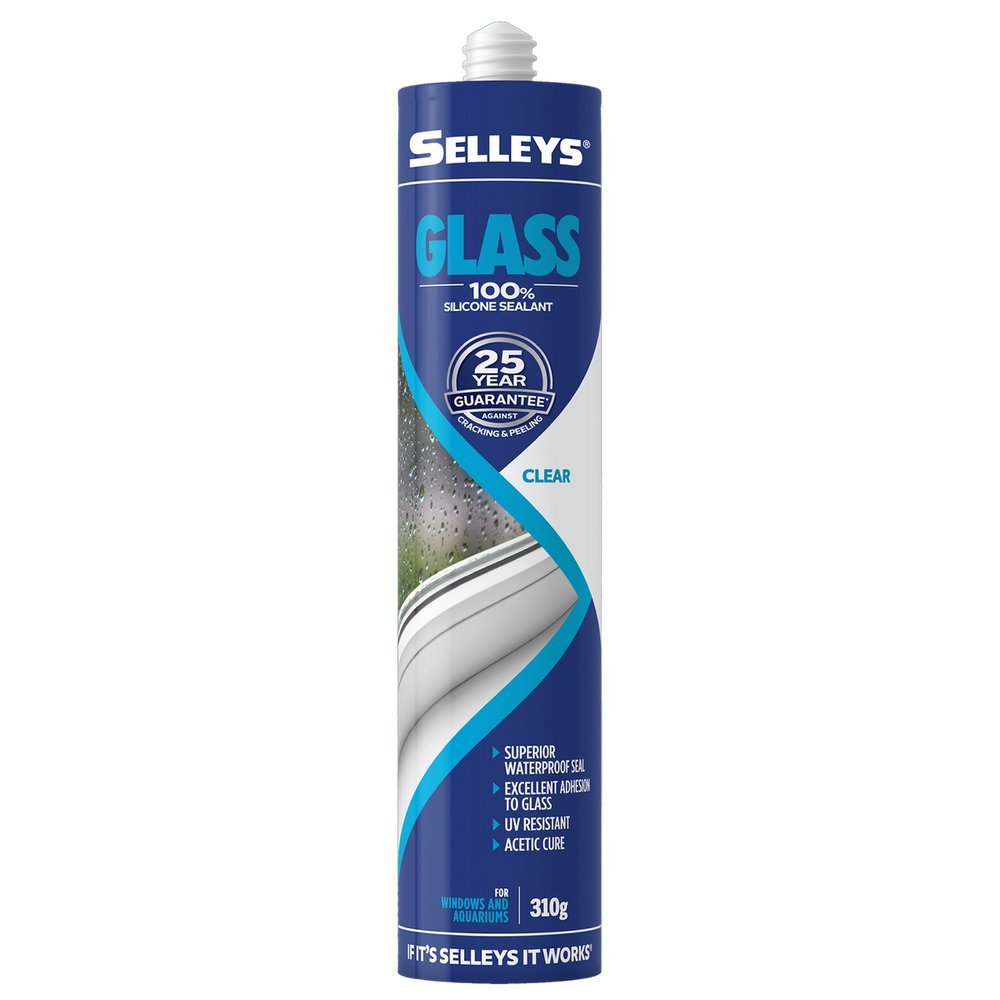
Selleys Glass Silicone is the default recommendation because the manufacturer itself backs it. Selleys states it is an acetic-cure 100% silicone formulated for glazing and aquarium construction, and that it is the only Selleys product it says can be used safely in an aquarium. Bunnings lists the 75 g tube at $17.35 (4.6 out of 5, 14 reviews) and the 310 g cartridge at $18.40 (4.3, 12 reviews).
Look at the price gap. The 310 g cartridge is only about $1 more than the tube on the Bunnings listings I checked, so if you own a caulking gun the big cartridge is much better value. Other retailers charge more: Glues Australia listed 310 g at $22.08 and The Aquarium Shop at $28.80, so shop around. The clearest limit is Selleys’ own: small aquariums only.
Compared with the Sika below, the Selleys has a better rating and a larger pack. The Sika is labelled specifically for aquariums, but the Selleys wording is firmer and the rating higher.
Pros
- Manufacturer says it is the only Selleys sealant safe for aquariums
- Rated 4.6 out of 5 from 14 reviews (75 g) and 4.3 from 12 (310 g) on Bunnings
- The 310 g cartridge costs about a dollar more than the 75 g tube
Cons
- Clear only in the listings I checked
- Selleys says it suits small aquariums and large tanks need specialist design
- Not for use on polyethylene, polypropylene or Teflon
2. SikaSeal-401 Aquarium – Best for small repairs with a labelled aquarium tube
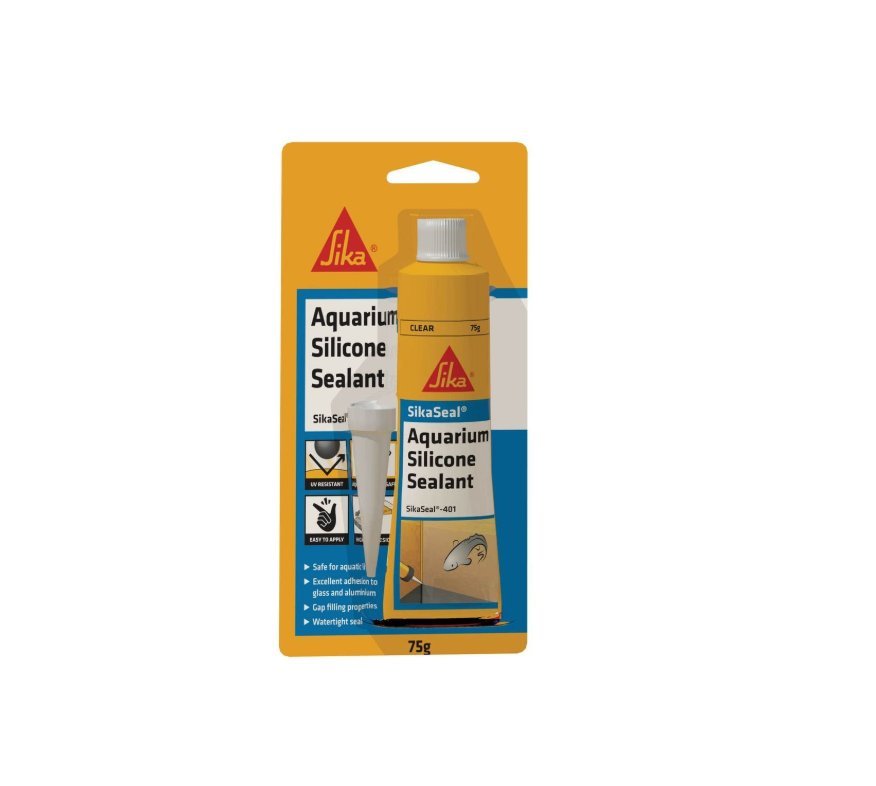
SikaSeal-401 Aquarium is a one-component silicone that Sika describes as safe for aquatic life in fish tanks, ponds and pumps. Sika’s Australian page lists clear only, a skin time of about 7 to 10 minutes, tack-free in about 20 minutes, and a cure rate of about 3 mm per 24 hours. Bunnings sells the 75 g tube at $11.20, while Glues Australia charged $15.82. See the Sika product page.
The rating is the concern. Its 3.6 out of 5 across 22 reviews on Bunnings is lower than the Selleys, and the page does not show why, so I cannot tell whether buyers had application trouble or product trouble. The datasheet also gives no size limit for tanks, so keep it to small repairs.
It is the pick when you need a small labelled tube for a pump or a minor repair. For a proper reseal of a small tank, the Selleys above is the better-rated choice.
Pros
- Labelled safe for aquatic life by the manufacturer
- Cheapest option here at $11.20 at Bunnings
- Sika publishes its cure times openly
Cons
- Only 3.6 out of 5 across 22 Bunnings reviews
- Clear only
- Sika’s data sheet gives no maximum tank size or glass thickness
3. Admil Prosil 20 Glass Silicone – Best for a black seam on a tank build
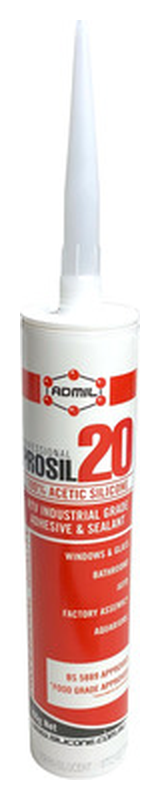
Admil Prosil 20 is here for one reason: black. The Aquarium Shop describes it as industrial-grade 100% acetic silicone for aquariums with BS 5889 approval, food-grade certification and a low-VOC rating, priced at $24.95 for the 300 g black cartridge and $25.95 for clear. That is the only Australian black aquarium silicone listing I could confirm.
Treat the approvals as retailer claims. I found no independent reviews, no cure time on the listing, and it showed as new stock on order on 29 September 2026. Ask the shop for the manufacturer’s data sheet, and follow the same 7-day cure rule as the Selleys.
Because the evidence is thinner than the Selleys or Sika, it ranks third. Choose it if you specifically want black on a tank build and can confirm the specs with the seller.
Pros
- Black option gives a neat, hidden seam
- 100% acetic silicone with a BS 5889 approval claim
- 300 g size suits a full tank build
Cons
- Evidence is a retailer listing only: no independent Australian reviews found
- Listed as new stock on order at The Aquarium Shop
- No cure time given on the listing
4. Juwel Conexo Underwater Silicone – Best for backgrounds and equipment, not tank seams
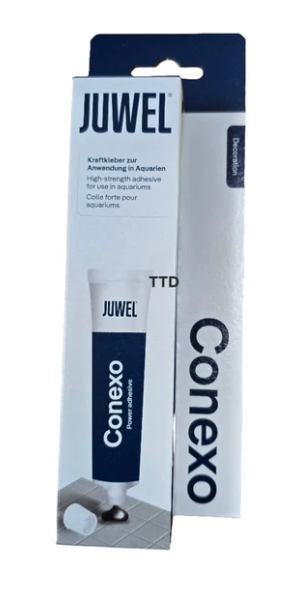
This is the odd one out on purpose. The Aquarium Shop describes Juwel Conexo as a hybrid sealant adhesive developed for bonding plastics to glass, working on wet backgrounds and submerged jobs, with a 24 to 72 hour cure. That makes it the tool for mounting a background or securing equipment, not for holding glass panels together.
At $26.95 for 80 mL it is the priciest per millilitre here, and the evidence is one retailer listing. It should not replace the Selleys or Sika for tank seams. If your job is sticking something plastic to glass, it is a reasonable choice.
Pros
- Cures on wet surfaces and underwater
- Bonds plastics to glass, such as backgrounds, skimmers and filters
- In stock at The Aquarium Shop when I checked
Cons
- Not a 100% silicone structural tank sealant
- Priciest per millilitre on this list
- Evidence is a retailer listing only
How to Choose
Start with the job. For resealing or repairing a small tank, Selleys Glass Silicone is the safe default. For a tiny repair or a pump, the Sika tube costs less. If you want a black seam on a build, check the Admil with the seller first. If you are mounting a background or equipment, use the Juwel. See the best fish tanks and starter kits list if you are choosing a tank to build or replace.
Never use Selleys All Clear or any bathroom, kitchen or mould-resistant silicone. FishLab notes that products labelled mildew-resistant or anti-microbial contain fungicides that can harm fish and beneficial bacteria. I left Dow 999-A, the tank builders’ choice, off the ranked list: The Aquarium Shop lists it in black, but I could not confirm its price or stock. The Idealseal MS290 sold there is an MS polymer, not silicone, so I did not rank it either.
Finally, be realistic about size. Selleys says its silicone suits small aquariums and that large tanks need specialist design. A leaking large tank is a job for a professional, not a tube from the hardware shop.
Tank Repair and Setup Guides
More on tanks and cleaning: best fish tanks and starter kits, best small fish tanks, best gravel vacuums and glass cleaners and best aquarium heaters. Browse the full Leaks & Repairs hub.
- why fish jump out of tanks
- how much a fish tank costs in Australia
- how to set up a fish tank
- what you need for a fish tank
Frequently Asked Questions
How long does aquarium silicone take to cure?
Allow a full 7 days before you fill a tank and add fish, which is what Selleys states for its Glass Silicone. The surface skins in minutes and feels dry within an hour, but the silicone underneath is still curing. After that, wash the tank out, drain it and refill before adding fish.
Can I use bathroom or kitchen silicone in a fish tank?
Not unless it is 100% silicone with no additives. Bathroom and kitchen silicones often contain mould inhibitors and fungicides that can harm fish and beneficial bacteria. Selleys says only its Glass Silicone is safe for aquariums, and that its All Clear range is solvent based and should never be used in a tank.
Do I need black or clear aquarium silicone?
Clear is fine for most repairs and hides itself on glass. Black gives a neat, hidden seam on tanks with dark backgrounds or rimless edges. Both work if they are 100% aquarium-safe silicone. Colour is an appearance choice, so choose the one that suits your tank and confirm the specific product is rated for aquarium use.
Can I reseal a large fish tank myself?
Small repairs and resealing a small tank are realistic DIY jobs. Selleys states its Glass Silicone is suitable for constructing and repairing small aquariums and that large tanks need specialist design. If the tank is large, has a cracked panel or is holding lots of water, use a professional tank builder.
How do I remove old silicone before resealing?
Drain the tank fully, cut away the old bead with a sharp blade, then peel out the remaining residue and clean the glass edges with a suitable solvent. Fresh silicone bonds poorly to old silicone, so remove as much as you can. Let the surface dry before applying the new bead.
Is silicone smell dangerous around fish?
Fresh acetic-cure silicone gives off a vinegar smell while curing. Work in a ventilated space, keep fish out of the tank while it cures, and only refill once the bead has fully cured for 7 days and the tank has been rinsed out. Do not add fish to a tank with a wet bead.
For most fish tank repairs and small reseals, Selleys Glass Silicone is the safest buy: 100% silicone with manufacturer backing, a 4.6-star Bunnings record on the tube and a 7-day cure. SikaSeal-401 Aquarium is a cheaper option for small jobs, though its 3.6-star record is a caution, and the Admil Prosil is worth a look if you need black. Keep every other household silicone away from your tank, and leave large tank seams to a professional.
