
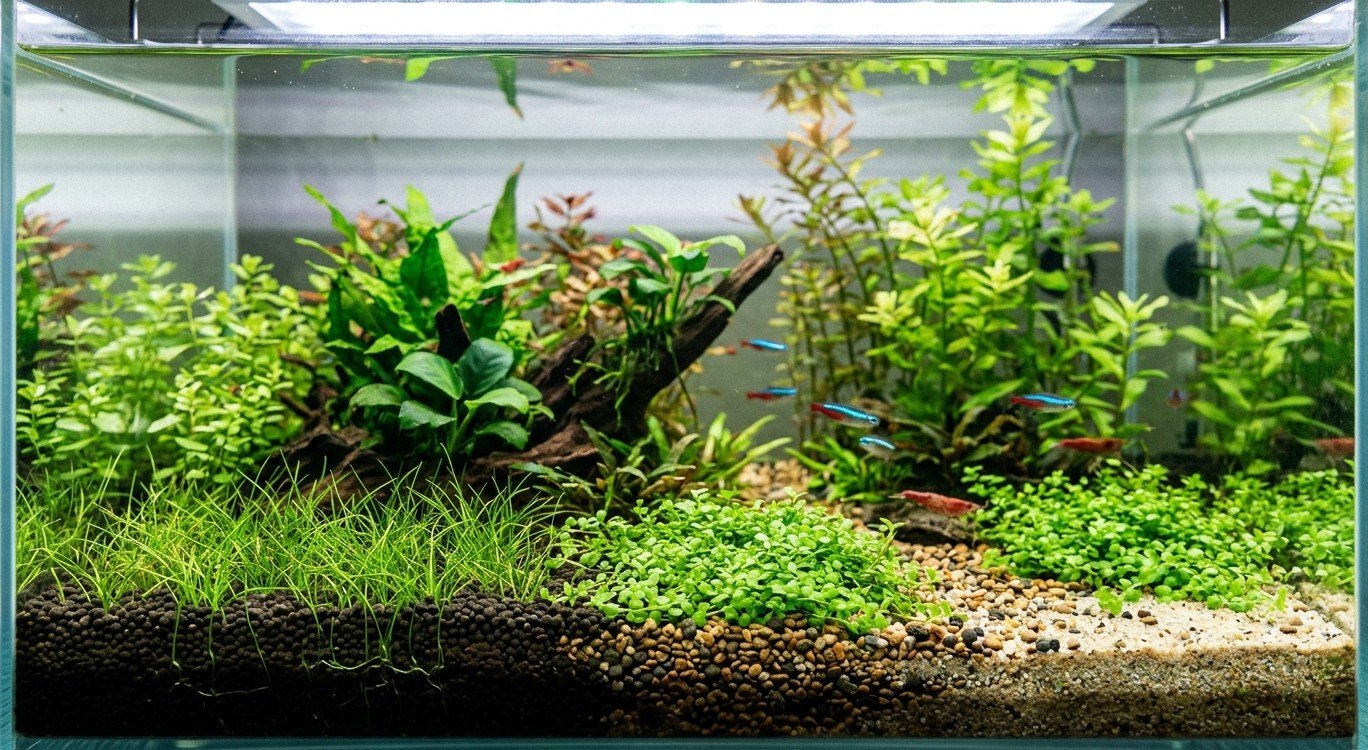
For most planted tanks, an active aqua soil like ADA Amazonia or UNS Controsoil delivers the fastest real growth, provided you manage the ammonia leach with a proper fishless cycle. Seachem Flourite is the steadier, budget-friendly alternative if you would rather dose fertiliser separately than manage that early spike.
The substrate at the bottom of a planted tank does more work than most beginners give it credit for. Picking the best substrates for planted aquariums means choosing between an active nutrient-rich aqua soil that feeds roots directly, and an inert gravel or clay substrate that anchors plants while you dose fertiliser through the water column instead.
Six real products fall into that split in this list: true active aqua soils (ADA Amazonia, UNS Controsoil and Tropica Aquarium Soil), an active clay-based substrate built around pH softening (Fluval Plant and Shrimp Stratum), a semi-active volcanic gravel (CaribSea Eco-Complete), and an inert clay gravel marketed alongside root tabs rather than as a true soil (Seachem Flourite).
The one number worth knowing before you buy any of them: a growing bed needs roughly 5 to 7 centimetres of depth to support real root systems, sloped a little deeper at the back of an aquascaped tank than the front, whichever product ends up in the bag.
This list covers nutrient and active-soil substrates for planted tanks, suited to both CO2-injected and low-tech non-CO2 setups. It does not cover plain inert gravel or sand for a general community tank, which is a different product with a different job. See the Substrate category and the wider Plants and Decor hub for what is covered on this site so far.
Boutique aqua soils are imported stock, and Australian availability shifts constantly. Three of the six products in this list showed sold-out or notify-me status at the specific retailer checked on 27 September 2026. Confirm current stock with your own local aquarium shop before planning a tank around a specific brand.
Best Substrates for Planted Aquariums, Compared
| Product | Type | Best For | Key Spec |
|---|---|---|---|
| Seachem Flourite | Inert clay gravel | Budget tanks using root tabs | Wont alter pH, lasts tank lifetime |
| ADA Aqua Soil (Amazonia) | Active nutrient aqua soil | Max growth in a fishless-cycled aquascape | Leaches ammonia 2-4 weeks |
| CaribSea Eco-Complete (Planted, Black) | Semi-active volcanic substrate | Naturalistic black substrate, no full soil commitment | Clouds on setup, settles within days |
| Fluval Plant and Shrimp Stratum | Active clay-based substrate | Shrimp keepers, non-CO2 planted tanks | Buffers tap water toward pH 6.4 |
| UNS Controsoil | Active aqua soil | Static aquascapes wanting ADA-like results | Lower ammonia leach than Amazonia |
| Tropica Aquarium Soil | High-CEC absorbing substrate | Active-soil growth without the ammonia spike | Absorbs ammonia instead of releasing it |
How I Compared It
For this list I pulled real Australian retailer listings to confirm each product is current, in stock or explain when it is not, and to state real prices as of 27 September 2026 (Aqua Life Aquarium, The Tech Den, Aquatic Supplies Australia, Aquarium Gallery and Hurstville Aquarium in Sydney). productreview.com.au turned up no coverage of planted-tank substrate at all, a genuine gap worth stating plainly instead of pretending it exists. For real owner sentiment I leaned on established fishkeeping community sources including fishlore.com, plantedtank.net and aquaticplantcentral.com over social platforms I could not directly verify. Where a well-known brand like JBL ProScape turned up strong name recognition but thin independent evidence, I have said so rather than ranking it on reputation alone.
1. Seachem Flourite – Best budget substrate for root-tab feeding

Flourite has the most specific, most repeated real complaint of anything on this list: dust. Set it up straight from the bag and most tanks cloud badly, sometimes for days, with fine particles that settle then get stirred straight back up the next time you run the gravel vacuum, even years later. The fix, according to owner accounts, is a proper pre-rinse. Fill a bucket, tilt it, hose the substrate for an extended stretch until the runoff actually runs clear (one account put this at close to an hour). Skip that step and you are cleaning a cloudy tank for a week instead.
Worth being straight about what Flourite actually is, though. It is not a true nutrient-rich aqua soil in the same sense as the ADA or UNS products further down this list. Seachem markets it as a porous inert clay gravel alongside its root tabs and liquid fertiliser range, so plants get little from the substrate itself and need supplemental feeding to do anything more than survive. What it does deliver is stability: unlike an active soil, it will not crash your pH or spike ammonia, and owners report it lasting the entire life of the aquarium without replacing it.
Where ADA Aqua Soil trades a rough first month for faster growth, Flourite trades faster growth for a calmer, more forgiving start, which is exactly why it suits a first planted tank better than a full active soil does.
Pros
- Wont crash pH or spike ammonia like an active soil
- Lasts the life of the aquarium without replacing
- Sold in Black, Dark and standard variants for different aquascape looks
Cons
- Heavy dust on first setup, needs an extended pre-rinse
- Not a true nutrient substrate, needs root tabs or liquid ferts
- Dust can resurface years later during a deep gravel vacuum
2. ADA Aqua Soil (Amazonia) – Best for maximum plant growth in an aquascape

Why does almost every award-winning aquascape you have seen use the same brown-black soil? Because ADA Aqua Soil is the substrate the modern planted-tank aesthetic was basically built around. It is the reference point every other product on this list ends up compared to, for better and worse.
The trade-off is well documented across enough independent sources that it is not really in dispute: fresh Aqua Soil leaches a real, sometimes significant amount of ammonia for the first two to four weeks. That is not a defect, it is how the substrate works, but it means Amazonia is not a drop-a-fish-in-day-one product. Run a proper fishless cycle first, or plan on heavier water changes than usual, and budget the extra week or two of patience that takes.
Next to Tropica’s soil further down this list, which is built specifically to absorb ammonia instead of releasing it, Amazonia is the more old-school approach: it feeds plants hard up front and asks you to manage the consequences yourself. For a first tank, that is arguably overkill. For a dedicated aquascaper chasing carpet growth in weeks rather than months, it is still the benchmark.
Pros
- The reference product for aquascaping-grade plant growth
- Naturally lowers pH toward the soft water conditions plants prefer
- Well proven over more than a decade of real use
Cons
- Leaches ammonia for 2-4 weeks, needs a fishless cycle
- AU stock is currently thin, several retailers show sold-out or notify-me only
- Breaks down and needs topping up faster than Flourite or Eco-Complete
3. CaribSea Eco-Complete (Planted, Black) – Best naturalistic black substrate without the full soil commitment

Eco-Complete clouds. Every single time you set it up, and again whenever you seriously disturb it. That is a carbonate and bicarbonate reaction, not dirt, and it is the single most repeated complaint in the sweep for this product.
The good news is it settles. Most accounts report the tank clearing within an hour to a couple of days, not weeks, and it does not come back nearly as persistently as Flourite’s dust does during routine vacuuming. Once it has settled, owners are broadly positive: decent plant growth, a convincingly naturalistic black look, and no need to replace it as the tank matures.
It sits in an odd middle ground next to the true active soils above, some nutrient content but nowhere near ADA’s growth rate or its ammonia headache. For a general planted or cichlid tank where you want a black substrate without buying into a full aqua-soil commitment, that middle ground is exactly the point.
Pros
- Wont need replacing as the aquascape matures
- Naturalistic black colour suits most aquascape styles
- Doesnt trigger the sharp ammonia spike active soils do
Cons
- Clouds the tank on setup and after any real disturbance
- Nutrient content is milder than a true active soil
- Tanks needing rich substrate-fed growth may find it insufficient alone
4. Fluval Plant and Shrimp Stratum – Best for shrimp keepers wanting a gentler pH
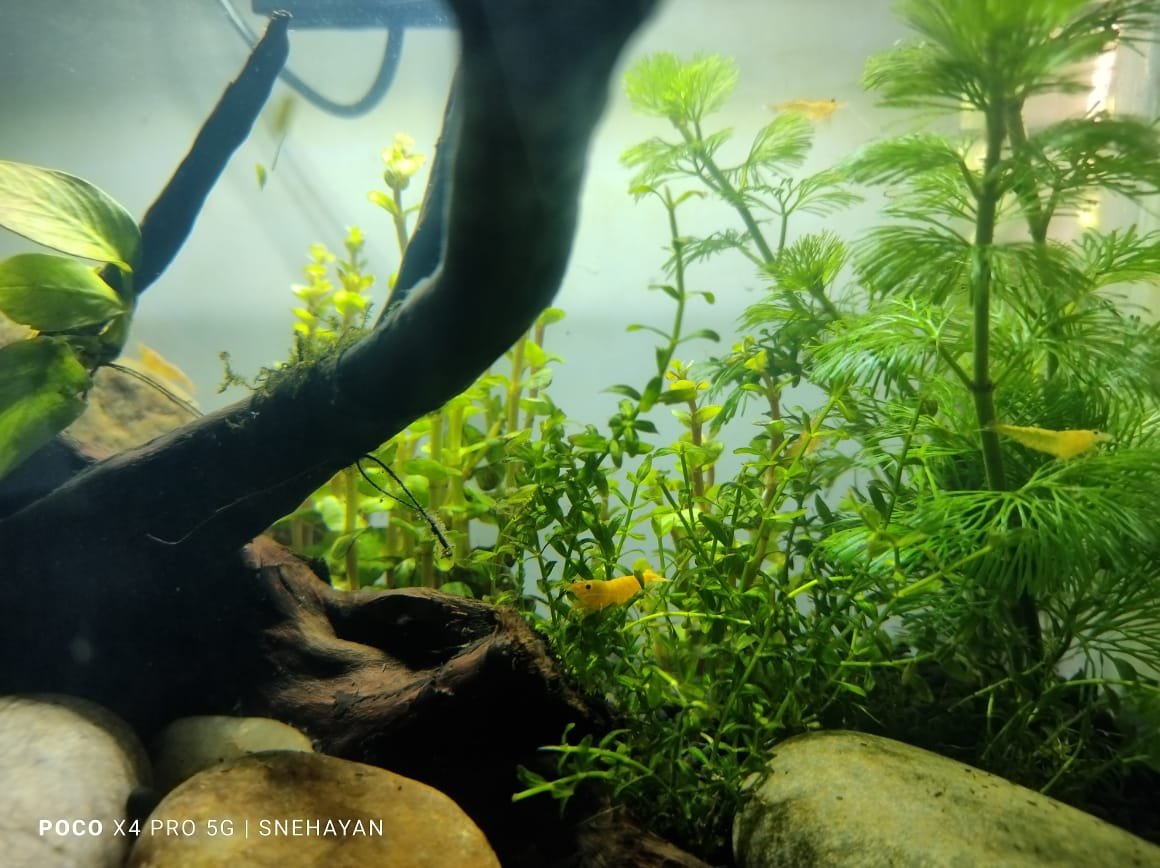
Stratum’s real selling point is not plant growth, it’s water chemistry. Owners consistently report it pulling tap water down toward a soft 6.4 pH within about a week, exactly the range shrimp keepers chasing colour and breeding success in neocaridina and caridina shrimp are after.
The granules themselves get described bluntly in enough places to take seriously: small, dark, clay-like balls that dont cloud the water anywhere near as badly as Flourite or Eco-Complete on setup, but do compact and break down faster than ADA’s soil over a year or two of use. One recurring gripe calls it expensive for what you actually get, worth weighing against Flourite’s lower cost if pH softening isnt your priority.
Compared with Eco-Complete two entries up, Stratum clouds less on day one but ages less gracefully, trading a cleaner start for more frequent top-ups down the track.
Pros
- Softens tap water pH toward shrimp-friendly conditions
- Minimal cloudiness compared with clay gravels like Flourite or Eco-Complete
- Popular, well-established choice in the shrimp-keeping community
Cons
- Granules compact and break down faster than ADA soil over time
- Described repeatedly as expensive for what it delivers
- Not the strongest plant-growth performer on this list
5. UNS Controsoil – Best for static aquascapes wanting ADA-like results

Controsoil’s pitch is a gentler version of the ADA experience: similar aquascaping results, a black colour option that wont scratch an acrylic tank the way some lighter gravels can, and reportedly less ammonia leaching than Amazonia during the first few weeks.
The catch shows up if you’re the type who rearranges hardscape often. The fine granules break down with repeated handling, so accounts describe Controsoil as better suited to a scape you set once and leave, not one you rebuild every few months. It is not cheap at scale either, with one user citing something in the order of $300 AUD-equivalent to fill a 60-gallon tank.
Where UNS wins over Eco-Complete is aquascaping fidelity, a true active soil and not a semi-active volcanic gravel. Where it loses to Flourite is cost and durability if you’re an aquascaper who likes to rebuild layouts often.
Pros
- Aquascaping performance close to ADA with a gentler ammonia curve
- Black colour option wont scratch acrylic tanks
- Fine grain gives crisp, ADA-style aquascape lines
Cons
- Granules break down if hardscape is rearranged often
- Gets expensive at scale in larger tanks
- Black 10L variant currently out of stock at the retailer checked
6. Tropica Aquarium Soil – Best active-soil growth without the ammonia spike
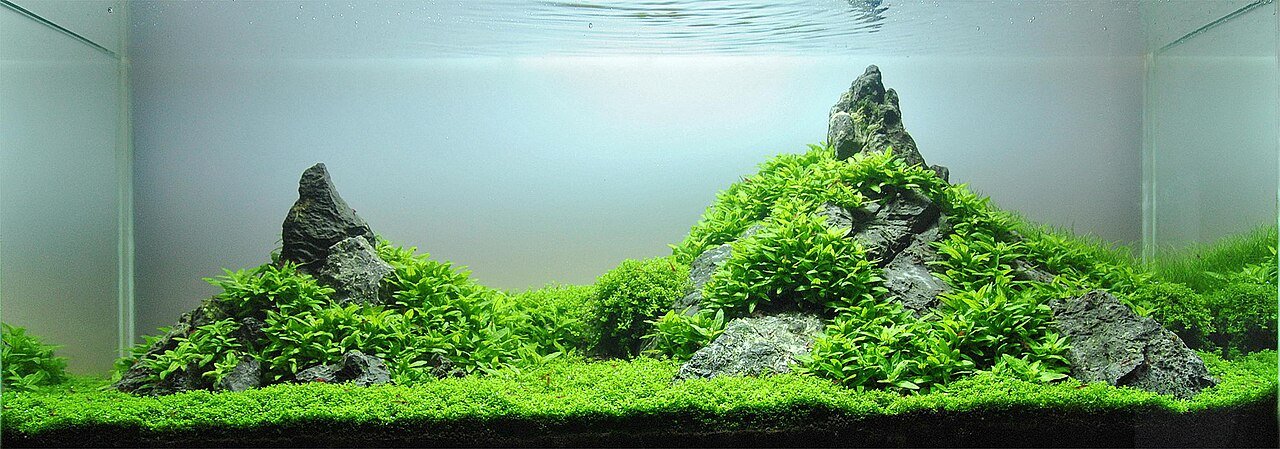
Tropica’s soil works almost backwards from ADA’s. Or maybe backwards is the wrong word, it is the same active-soil category, just built to absorb ammonia and nutrients through a high cation exchange capacity instead of releasing them into the water column.
That is a genuine, recurring theme across the sources checked, not a marketing claim invented for this list: owners report none of the fishless-cycle drama that comes standard with Amazonia, while still getting active-soil-style plant performance. For anyone put off aquascaping-grade substrate by the ammonia warnings elsewhere on this list, that is the actual differentiator.
The honest caveat is availability. Confirmed AU specialty stock was thin at the time of writing, with Hurstville Aquarium’s listing sold out and eBay AU or Amazon.com.au the more reliable current sources. Worth checking current stock before planning a tank around it.
Pros
- Absorbs ammonia and nutrients instead of releasing them
- No fishless-cycle drama typical of ADA Amazonia
- Real active-soil plant performance
Cons
- Weaker current AU specialty-shop stock than the other products here
- Price confirmation limited to one now-sold-out AU listing
- Less independent long-term AU feedback than ADA or Flourite
How to Choose
Start with how much you want to manage in the first month, not with brand reputation. An active aqua soil like ADA Amazonia or UNS Controsoil gives the fastest growth but asks for a proper fishless cycle first. An inert substrate like Seachem Flourite or CaribSea Eco-Complete is calmer to live with early on but leans on root tabs and liquid ferts to actually feed your plants. Budget tiers matter here too: Flourite and Eco-Complete sit at the cheaper end, Stratum and Controsoil in the middle, and ADA and Tropica at the premium end once shipping and availability are factored in.
If youre setting up a planted tank, pairing the right substrate with the right light matters just as much as the soil itself. See our guide to the best LED lights for planted aquariums in Australia for how to match wattage and spectrum to a nutrient substrate like the ones above.
Substrate choice also affects your fish, not just your plants. Bottom-dwelling species like corydoras have sensitive barbels and do better over a smooth, fine substrate than sharp gravel. See our guide to the best aquarium fish for beginners for more on why sand suits them better.
A quick honesty note on brands not covered above: JBL ProScape has strong name recognition but almost no independent Australian or international owner evidence turned up in this sweep, a real hype-versus-reality gap worth knowing before you pay a premium for it. JBL Manado has a decent Australian retail footprint as a budget option, but the independent evidence behind it is thin too. A generic house-brand soil like Aquafy looks well-rated on paper (87 percent five-star from 38 reviews), but that rating comes from an on-site widget run by the retailer itself, not an independent source, so treat it as promising, not proven.
Most Australian capital cities dose chloramine into tap water, not just chlorine. A plain dechlorinator wont fully condition water for a new substrate first fill, so use a chloramine-rated conditioner regardless of which substrate you choose.
Planted Aquarium Substrate Guides
Dedicated how-to guides for setting up and maintaining a planted-tank substrate are not published on this site yet, which is the honest state of things, not a set of invented links. In the meantime, the Substrate category and the wider Plants and Decor hub are the best places to see what is covered so far, alongside our existing guides to planted aquarium LED lighting and beginner-friendly aquarium fish.
Frequently Asked Questions
What is the difference between active and inert aquarium substrate?
An active substrate like ADA Aqua Soil or Tropica’s soil releases or exchanges nutrients with the water column and often lowers pH. An inert substrate like Seachem Flourite or CaribSea Eco-Complete is chemically stable and needs supplemental root tabs or liquid fertiliser for real plant growth, since it does not feed plants on its own.
Do I need CO2 injection to use a nutrient substrate?
No. Substrates like Fluval Stratum and Seachem Flourite work well in non-CO2, low-tech planted tanks. Active soils such as ADA Amazonia and UNS Controsoil perform best with CO2 injection and stronger lighting, but they will still support slower growth in a low-tech setup without it.
How long does aqua soil substrate last before it needs replacing?
Most active aqua soils last one to three years before the granules break down and compact, at which point plant performance drops off. ADA Aqua Soil and UNS Controsoil both show this pattern in owner reports. Inert substrates like Seachem Flourite and CaribSea Eco-Complete generally last the life of the aquarium.
Will aqua soil substrate cause an ammonia spike in my new tank?
ADA Aqua Soil Amazonia is well known for leaching ammonia for two to four weeks after setup, so a fishless cycle is essential. Tropica’s soil is built to absorb ammonia instead of releasing it, and inert substrates like Flourite do not leach ammonia at all.
Can I mix aqua soil with regular gravel or sand?
Yes, many aquascapers cap an active soil with a thin layer of sand for a cleaner look, or mix inert gravel into the back of the tank to save on cost. Just keep any bottom-dwelling fish’s needs in mind, since a rough cap can still irritate sensitive barbels.
How deep should substrate be in a planted aquarium?
Most nutrient substrates need at least 5 to 7 centimetres of depth to support real root growth, sloped slightly deeper at the back of the tank for a natural aquascape look. Shallower than that and root-feeding plants like Amazon swords and cryptocoryne struggle to establish properly.
For a first planted tank on a budget, Seachem Flourite is the safer starting point: inert, stable and easy to pair with root tabs, even if it demands a thorough pre-rinse. For aquascapers chasing the fastest, most established growth, ADA Aqua Soil Amazonia remains the benchmark, provided you are prepared to manage its ammonia leach with a proper fishless cycle. And if you want active-soil performance without that early drama, Tropica Aquarium Soil is worth tracking down despite thinner current Australian stock.
