

The best shrimp for aquarium tanks are small, peaceful freshwater shrimp that graze algae and biofilm, and in Australia they split into imported hobby shrimp, such as red cherry and crystal red, and native species such as the North Queensland algae shrimp and the Australian glass shrimp. Water hardness and tank maturity matter far more than the price tag.
The number that matters is general hardness (GH). Cherry shrimp do well in roughly GH 6 to 10, while crystal red shrimp want GH 4 to 6 with KH near zero, and a wrong GH is a common cause of failed moults and unexplained deaths. This list gives the water each shrimp expects so you can match it to your tap.
It covers six freshwater shrimp sold in Australia, all researched rather than kept in my own tanks. It leaves out mixed-colour cherry morphs, because they are the same species as the red cherry, and marine shrimp. Snail cleaners are covered in the best snails for aquariums.
Red cherry shrimp are the easiest start. North Queensland algae shrimp and Australian glass shrimp are cheap natives that suit a mature planted tank. Crystal red shrimp are the hardest and need soft, acidic water. If you live in Tasmania, Western Australia or the Northern Territory, check state rules first, because sellers will not ship shrimp there.
The Best Shrimp for Aquarium Tanks, Compared
| Shrimp | Type | Best For | Key Spec |
|---|---|---|---|
| Red Cherry Shrimp (Neocaridina davidi) | Imported hobby shrimp | First shrimp tank | 22 to 26 C, pH 6.5 to 7.8, from 5 L |
| North Queensland Algae Shrimp (Caridina longirostris) | Australian native | Hair and film algae in planted tanks | 1 to 3.5 cm, care ranges differ by seller |
| Australian Amano (Caridina typus) | Australian native | Large, active algae grazer | Up to about 6 to 7.8 cm, lid needed |
| Australian Glass Shrimp (Paratya australiensis) | Australian native | Cool, calm community tanks | 3 cm, native to south-eastern Australia |
| Australian Riffle Shrimp | Australian native | Mature tanks with flow | Filter feeder, needs fine suspended food |
| Crystal Red Shrimp (Caridina cantonensis) | Imported hobby shrimp | Experienced keepers with soft water | GH 4 to 6, KH 0 to 2, pH 5.8 to 6.8 |
How I Compared It
I have not kept these six myself, so every pick is labelled Researched, as promised on the How We Test page. Care ranges come from Australian retailer guides at Aquafy, AuShrimpHome and Micro Aquatic Shop, Wikipedia species pages and a March 2026 shrimp water guide. Owner experience came from summarised forum searches, so it carries less weight, and Reddit could not be read directly. Legality comes from the Tasmanian Inland Fisheries Service (September 2023), WA DPIRD and retailer shipping policies. Prices were checked on 29 September 2026.
1. Red Cherry Shrimp (Neocaridina davidi) – Best first shrimp for a mature tank

Red cherry shrimp are the standard first shrimp, and Aquafy calls them one of the hardiest available and says they can live in tanks from 5 litres. Wikipedia gives adults 3 to 4 cm and a life of one to two years. Females carry 20 to 30 eggs and the young hatch as tiny copies of adults, with no larval stage, so a colony builds itself. AuShrimpHome gives 22 to 26 C and pH 6.5 to 7.8 and says they mature at around 30 days.
Price is the easy part: Aquafy sells one for $4.40, ten for $39.95 and twenty for $77.95, and AuShrimpHome lists mixed-colour cherries at $3.50. The hard part is the tank. A March 2026 water guide gives GH 6 to 10, KH 2 to 6 and warns that old copper plumbing can leach copper, which is toxic to invertebrates at parts per billion. Against the NQ algae shrimp below, cherries are prettier but graze less.
Pros
- Very hardy, from 5 litres, per Aquafy
- Young hatch as mini adults, so no larval stage to manage
- Cheap from about $4 each
Cons
- Copper, even from old pipes, is toxic to shrimp at very low levels
- Tank needs weeks to mature, and new tanks are a common cause of deaths
- Larger or aggressive fish may eat them, per AuShrimpHome
2. North Queensland Algae Shrimp (Caridina longirostris) – Best cheap native algae grazer

The NQ algae shrimp is a small native that grazes constantly, and AuShrimpHome calls it a very popular, active, ravenous eater of most algae, detritus and leftover food at $3.50 each. Two details deserve caution: sellers say it resists blue-green and green spot algae, and only eats black beard algae when nothing else is available.
The care advice disagrees. AuShrimpHome gives 24 to 28 C and pH 7.0 to 8.0, while Liverpool Creek Aquariums gives 21 to 24 C and pH 6 to 7, with groups of ten or more in at least 10 litres. Both cannot be right, so keep it in a stable middle. Aquafy sells a “Type 2” NQ shrimp at $9.95, and its listing says they may try to escape in the first 24 hours, so use a lid.
Pros
- Native species at about $3.50 each
- Small, so it suits tanks from about 10 litres per Liverpool Creek
- Eats detritus and leftover food as well as algae
Cons
- Sellers give conflicting temperature and pH ranges
- Avoids blue-green and green spot algae
- May escape from an uncovered tank in the first 24 hours
3. Australian Amano (Caridina typus) – Best large, active algae grazer
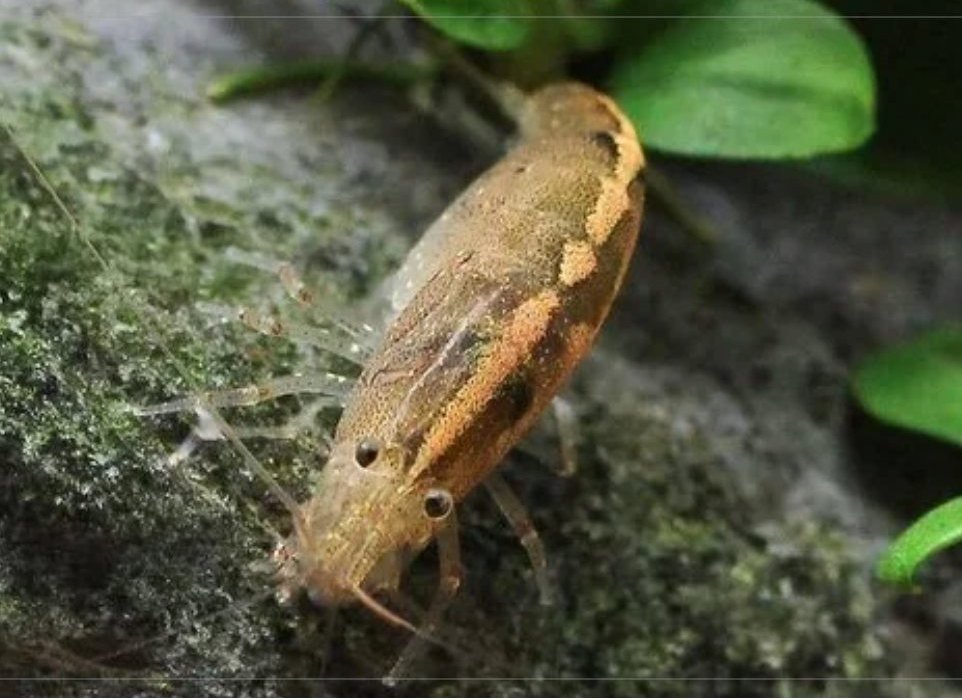
The Australian Amano is a native lookalike of the famous Japanese Amano, and Micro Aquatic Shop names it Caridina typus, reaching about 6 to 7.8 cm, living up to three years and coping with 15 to 27 C. Aquafy sells one 2 to 3 cm shrimp for $28.95, and its listing claims they eat all algae including black beard, and recommends a lid because they try to escape new tanks.
Two honest flags. Aquafy’s quick stats call it Caridina multidentata from Japan, which contradicts the same listing’s “Australian” name, so treat the naming loosely. And a group of six, the number Micro Aquatic Shop recommends, would cost about $174. Compared with the NQ algae shrimp above, it is bigger, more expensive and breeds very poorly in tanks.
Pros
- Large, active grazer that eats a wide range of algae
- Tolerates 15 to 27 C, so unheated tanks work
- Lives up to about three years
Cons
- A group of six costs about $174 at $28.95 each
- Breeding is very difficult per Micro Aquatic Shop
- Listing contradicts itself on species and origin
4. Australian Glass Shrimp (Paratya australiensis) – Best cool-water native for a calm community tank
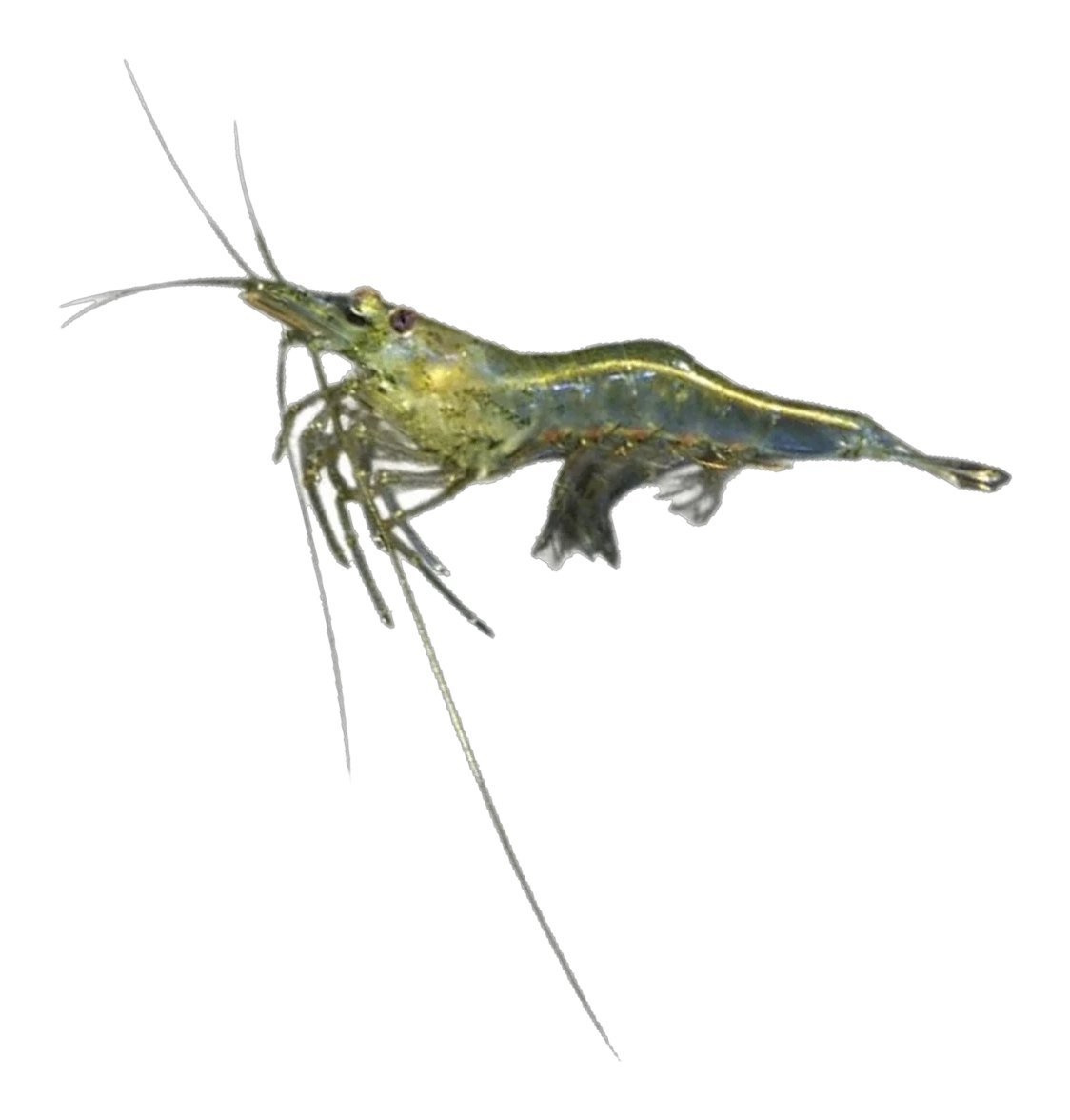
Paratya australiensis is the shrimp you may already know from creeks. Wikipedia says it reaches 3 cm, lives around two years, and eats mainly algae and small particles scraped from surfaces. Its range runs from central Queensland to south-eastern South Australia, including New South Wales, the ACT, Victoria and Tasmania. That makes it a cool-water native, and it is kept alone or with smaller fish.
Buy captive-bred stock. Nick’s Aquarium lists it at $2.95, AuShrimpHome sells glass shrimp at $3.00 or ten for $27.50, and Aquafy lists it at $3.50 but calls it Palaemonetes, a different genus, so names are inconsistent. Compared with the cherry shrimp above, it is plainer and cheaper, and it comes from cooler southern waters.
Pros
- Cheapest shrimp here at about $3 each
- Native and IUCN Least Concern per Wikipedia
- Suits cool-water tanks
Cons
- Seller names are inconsistent (Paratya versus Palaemonetes)
- Transparent and plain compared with hobby colour morphs
- Kept only with smaller fish, since bigger fish treat it as food
5. Australian Riffle Shrimp – Best filter feeder for a mature tank with flow

Riffle shrimp are the odd ones out. Aquafy sells the Australian Riffle Shrimp at $17.95 and describes a native filter feeder that uses fan-like appendages to catch particles from the water column. Its advice is a mature aquarium with good water movement, and fine suspended food such as powdered fish food and crushed flakes.
This is the entry with the thinnest evidence. I found only the seller’s own listing, so treat the care advice as unverified. It costs about five times an NQ algae shrimp and does not graze algae the way the others do. Against the glass shrimp above, it needs flow and finer feeding, not just a quiet planted tank.
Pros
- Unusual filter-feeding behaviour
- Native Australian species
- Uses fine suspended food that grazers ignore
Cons
- Only seller information found, with no independent reports
- Costs about five times an NQ algae shrimp
- Needs a mature tank with water movement
6. Crystal Red Shrimp (Caridina cantonensis) – Best only if you can supply soft, acidic water
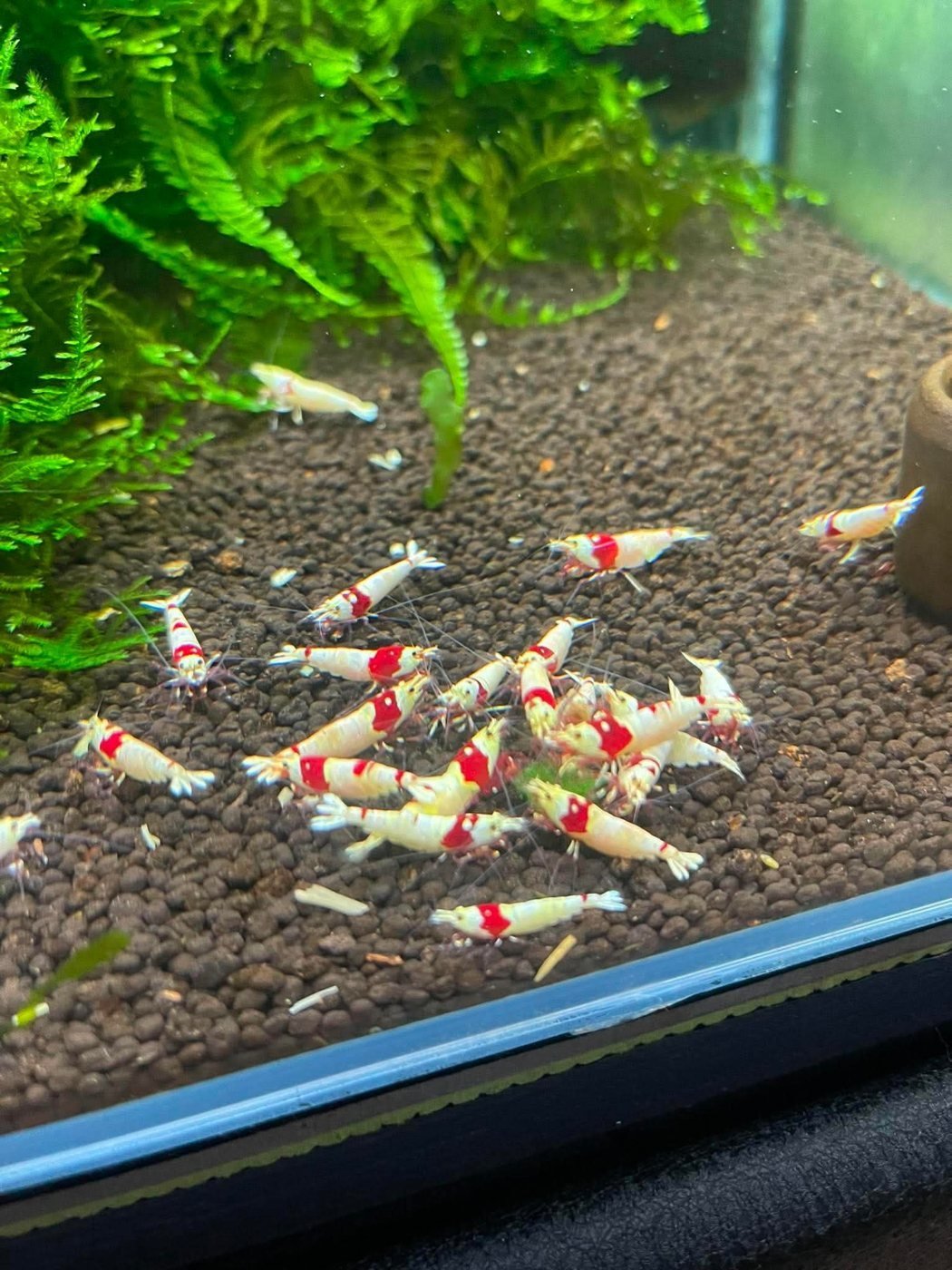
Crystal red shrimp are the striking red-and-white ones, and they are a hype-versus-reality case. Wikipedia rates the bee shrimp group moderately difficult and says it needs soft water matching its native streams. Aquafy lists ten high-grade Pure Red Line shrimp at $229.95, about $23 each, and its quick stats say 20 to 24 C, pH 5.8 to 6.8, GH 4 to 6, KH 0 to 2, intermediate to advanced.
The 2026 water guide says Caridina need reverse osmosis water plus an active substrate to hold pH down. That is a real running cost and a real chance of failure. Cherry shrimp cope with tap water; crystal reds do not. Compared with red cherry shrimp above, they cost about five times more each and last about 18 months.
Pros
- Striking red-and-white pattern
- Freshwater breeder per Aquafy
- Popular with breeders for colour consistency
Cons
- Needs soft, acidic water, usually from reverse osmosis
- About $23 each, and ten cost $229.95
- Rated moderately difficult, with a short 18 month life
How to Choose
Test your tap water first. A general hardness and carbonate hardness kit will show whether you are a cherry-shrimp household or a reverse-osmosis one; see the best aquarium water test kits. Then treat the water properly with a good water conditioner, because chlorine and chloramine are as bad for shrimp as copper.
Protect the shrimp from your filter. Shrimplets get sucked into intakes, so cover them with sponge, as covered in the best filters for small and nano tanks. Then give them cover: dense plants and moss, as in the best aquarium plants for beginners. Not sure about tankmates? Keep shrimp with small, peaceful fish only, since larger fish eat them.
Shrimp legality depends on where you live. Tasmania’s Inland Fisheries Service says shrimp, crayfish and other arthropods are prohibited imports, apart from live blackworms (September 2023). Western Australia requires written approval to import live fish and crustaceans, and I could not confirm whether cherry shrimp are permitted there. Aquafy and AuShrimpHome both say they do not ship livestock to WA, NT or Tasmania because of state laws. I could not confirm the position in every other state, so check with your state agency, and never release shrimp into a waterway.
Shrimp Tank Guides
Set up the tank with easy plants and a suitable substrate, and browse the Shrimp & Pets hub for related coverage. If you want a snail cleanup crew as well, see the best snails for aquariums.
Frequently Asked Questions
Can I keep freshwater shrimp in Tasmania, Western Australia or the Northern Territory?
It is difficult. Tasmania’s Inland Fisheries Service prohibits importing any invertebrate except live blackworms, which rules out shrimp. Western Australia requires written approval to import live fish and crustaceans. Aquafy and AuShrimpHome both state they do not ship livestock to WA, NT or Tasmania because of state laws. Check with your state agency first.
What is the easiest shrimp for a beginner?
Red cherry shrimp. Aquafy calls them very hardy and says they can live in tanks from 5 litres, and AuShrimpHome gives 22 to 26 C and pH 6.5 to 7.8. Easy does not mean careless: the tank still needs to be mature, free of copper, and have enough general hardness for the shrimp to moult.
How long should a tank run before I add shrimp?
Longer than for fish. One 2026 shrimp guide says ammonia and nitrite should read zero for at least two weeks first, and forum keepers often suggest about 90 days for a settled tank with biofilm. Rushing is a common reason new shrimp die, so test the water and wait for stable readings before buying.
Do shrimp need special water?
It depends on the group. Neocaridina such as red cherry shrimp tolerate ordinary tap water, at roughly GH 6 to 10 and KH 2 to 6 per one guide. Caridina such as crystal red shrimp need soft water, GH 4 to 6 and KH 0 to 2, usually from reverse osmosis water with an active substrate. Test your tap first.
Will shrimp clear the algae in my tank?
Partly, and not every kind. Retailers say North Queensland algae shrimp resist blue-green and green spot algae, and only eat black beard algae when other food is scarce. Cherry shrimp mostly graze biofilm. Treat shrimp as a helper for hair and film algae, and fix light and nutrients first.
For most Australian keepers, start with red cherry shrimp in a mature, copper-free tank, since they are cheap, hardy and breed on their own. Add North Queensland algae shrimp if you want a native grazer for a planted tank, and pick Australian glass shrimp for a cool, calm community. Leave crystal red shrimp until you can supply soft, acidic water. In Tasmania, Western Australia or the Northern Territory, check state rules before buying anything.
