
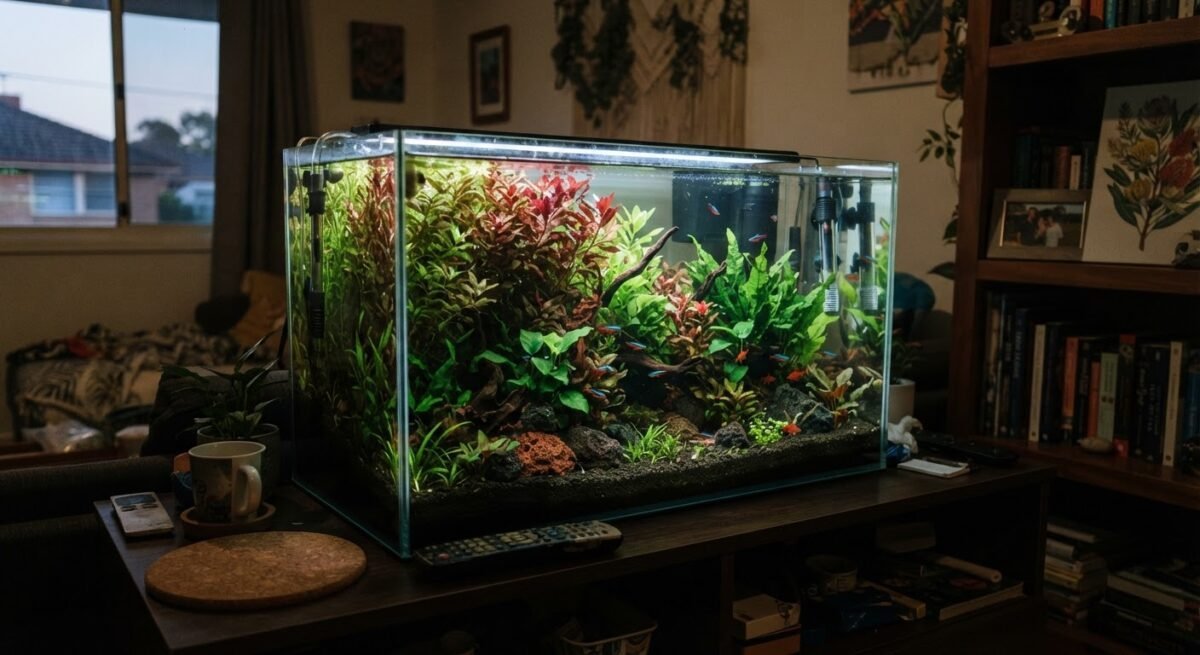
Java fern and Anubias nana are the safest low light plants because they need no substrate and forgive dim tanks. Cryptocoryne wendtii is the rooted choice if you can ride out crypt melt, while Vallisneria, Sagittaria and water wisteria are often sold as low light but Australian retailers disagree on that.
The best low light aquarium plants are the ones that keep growing under a basic tank light with no CO2 and no special substrate. Java fern, Anubias, Cryptocoryne, Bucephalandra and Bolbitis are the five that Australian retailers and independent guides agree on, and all but the crypt grow attached to wood or rock instead of rooting in the gravel.
The number that matters is how much light counts as low. Aquarium Co-Op defines low light plants as needing 10 to 20 PAR, while older retailer guides such as Aquafy’s use less than 1.5 watts per gallon, and the two aren’t directly comparable. In plain terms, this list suits a standard LED hood or a modest bar light, not a high-output planted tank light.
This list covers plants that genuinely tolerate dim tanks. It leaves out moss (covered in the best aquarium moss guide), floating plants and any species Australian retailers rate as medium to high light, even where another guide calls them low light.
Several Australian sellers won’t post live plants everywhere. Micro Aquatic Shop’s Anubias nana, water wisteria and Bolbitis listings all say it can’t ship live plants to Western Australia, the Northern Territory or Tasmania because of state restrictions. Check each seller’s shipping page first if you live there, and remember most of these plants tolerate up to about 28 C but not much more.
The Best Low Light Aquarium Plants, Compared
| Plant | Type | Best For | Key Spec | AU Price (29 Sep 2026) |
|---|---|---|---|---|
| Java Fern | Rhizome epiphyte | A plant that ignores your lighting | 20-28 C, no substrate | $9.90 to $24.95 |
| Anubias Nana | Rhizome epiphyte | Tough leaves in a small tank | 5-10cm tall, slow | $12.00 to $25.00 |
| Cryptocoryne Wendtii | Rooted rosette | Foreground in dim light | Melts after moves | $11.90 to $14.90 |
| Bucephalandra | Rhizome epiphyte | Colour without much light | About a leaf per two weeks | $11.95 to $110.00 |
| Bolbitis | Fern epiphyte | A fern accent on wood | Medium difficulty, soft water | $35.00 |
How I Compared It
Low light plants aren’t lab-tested, so this comparison rests on Australian retailer listings and independent guides. I read product pages from Micro Aquatic Shop, Aquafy and Aquarzon, cross-checked light levels against Aquarium Co-Op’s 10 to 20 PAR low light group, and used the retailers’ own on-page ratings where they existed. Prices and stock were checked on 29 September 2026. Reddit could not be read directly in this session, and CHOICE and Canstar Blue do not test aquarium plants. I haven’t grown these plants for this post, so every pick is labelled Researched, in line with the site’s testing standard.
1. Java Fern (Microsorum pteropus) – Best for a plant that ignores your lighting

Java fern is the safest low light plant because it doesn’t grow in the substrate at all. It’s a rhizome plant, so you tie or glue it to wood or rock and leave the roots exposed, and Micro Aquatic Shop’s listing rates it for low light with leaves that can reach 30cm. Aquarium Co-Op lists it in its low light group, which it defines as 10 to 20 PAR.
The Australian feedback is strong with one honest caveat. Micro Aquatic’s Java fern page shows 95 per cent positive ratings (18 out of 19), and the one negative reviewer mentioned roots rotting at first before the plant recovered. That fits the standard warning: if you bury the rhizome, it rots, so keep it above the gravel.
Price depends on the variety. Micro Aquatic sells the standard plant at $18.00 (down from $30.00) and Windelov at $24.95, while Aquarzon’s blog puts Java fern at $9.90 to $16.90. It’s cheaper than Anubias nana (entry 2) for the same job, though it lacks the leathery leaves that resist fish nibbling.
Pros
- Needs no substrate, so a bare or gravel tank works
- Strong Australian buyer feedback, 18 of 19 ratings positive
- Widely stocked from $9.90
Cons
- Rhizome rots if buried, per an Australian reviewer’s early root-rot report
- Less nibble-resistant than Anubias’ leathery leaves
- Must be tied on, since the rhizome can’t go in the substrate
2. Anubias Nana (Anubias barteri var. nana) – Best for tough leaves in a small tank

Anubias nana is a dwarf plant with thick, dark leaves that most fish leave alone. Micro Aquatic Shop lists it at 5 to 10cm tall, slow growing and easy, with a minimum tank of about 40 litres, and says it stays hardy in shaded spots where other plants struggle. Aquafy’s guide adds that a new leaf can take three weeks or more, so it fills space slowly.
The care rule matches Java fern: keep the rhizome out of the substrate. Leaves absorb what they need from the water, so a shaded corner of a tank with basic lighting is enough. One Australian reviewer called it a great plant for a small space that shelters juvenile shrimp.
You pay for that toughness in patience. Micro Aquatic’s nana is $25.00 (down from $34.95) and Aquarzon lists Nana Petite around $12.00, so the smaller petite version can be half the price. Java fern (entry 1) grows faster, but Anubias leaves survive fish that shred it.
Pros
- Thick leaves that most fish leave alone
- Copes with shaded spots, per the retailer listing
- Nana Petite from around $12.00 at Aquarzon
Cons
- A single new leaf can take three weeks or more, per Aquafy
- Costs $25.00 for a mid-sized plant at Micro Aquatic
- Slow to fill space or cover hardscape
3. Cryptocoryne Wendtii (Cryptocoryne wendtii) – Best for a rooted foreground that survives dim light
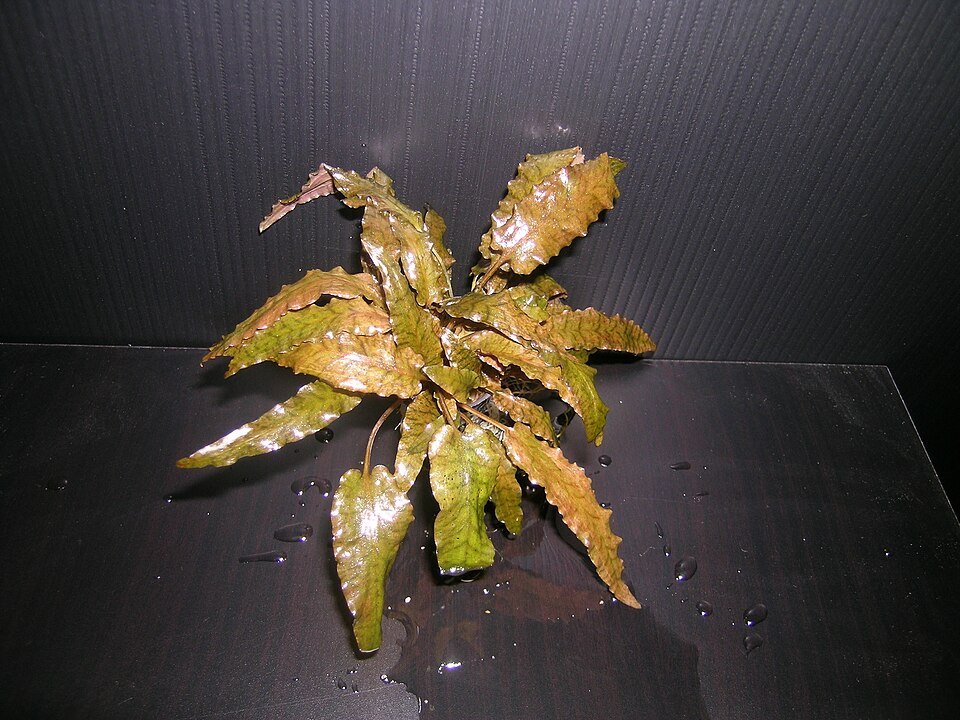
Cryptocoryne wendtii is the low light option that actually roots, which makes it the answer if you want something in the gravel. Aquarzon groups crypts as a low light plant type for low tech tanks, notes that most aquarium substrates suit them, and sells the red or bronze form at $14.90 and the green form at $11.90 (out of stock at last check).
Its known problem is crypt melt. Aquarium Co-Op describes it as a common adjustment phase after a move, and its advice is to leave the roots planted and feed them with a nutrient-rich substrate or root tabs, since the plant regrows with new leaves adapted to your water. That means a crypt can look terrible in week two and fine by week eight.
Compared with the epiphytes above, this is the only pick that benefits from substrate quality, so pair it with a decent base layer (see the guide to planted aquarium substrate). It’s also among the cheapest plants here, if you can live with the melt.
Pros
- Roots into the substrate, unlike Java fern or Anubias
- Comes in green, red and bronze forms
- Among the cheapest picks, from $11.90
Cons
- Crypt melt after a move can strip the leaves, per Aquarium Co-Op
- Slow to recover and fill in
- Needs root nutrition, which a bare tank can’t give it
4. Bucephalandra – Best for colour without much light
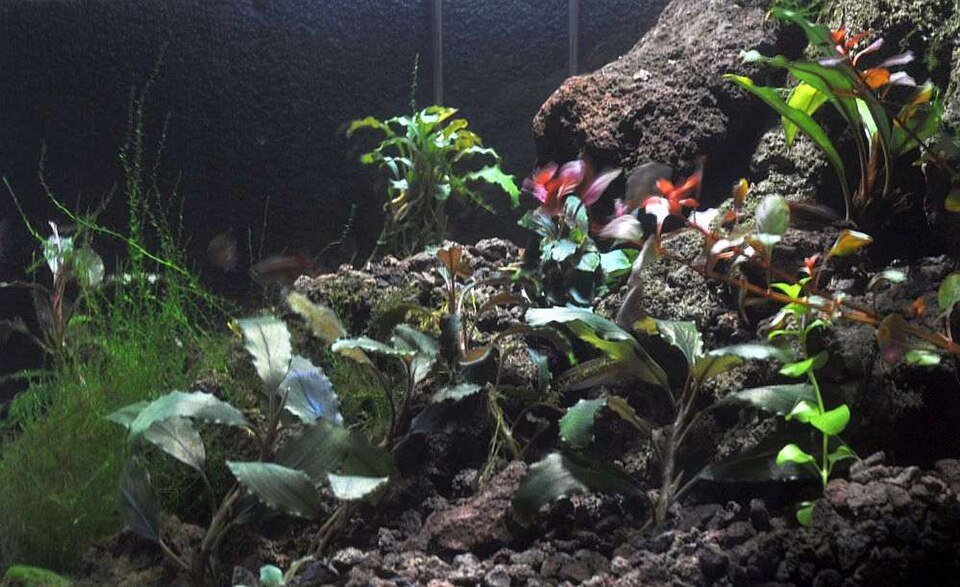
Bucephalandra is the colourful low light plant, and the range in Australia is wide. Aquarzon lists around 35 varieties and Micro Aquatic Shop stocks a collection running from Phantom Long Leaf at $14.95 to Silver Powder at $99.00, with a top end of $110. Its care page describes soft, spread-out light at roughly 1 to 2 watts per gallon.
Growth is the price you pay. Australian sellers note some varieties add only about one leaf in two weeks, which helps explain why rare forms cost so much, and Aquarzon’s Blue Theia listing says it colours up under strong light and stays greener under lower light. So low light works, but it changes how the plant looks.
It behaves like Anubias (entry 2): tie it to hardscape and leave the rhizome exposed. The trap is spending big on a rare variety in a dim tank, where the colour you paid for may not show. Start with a cheap variety like the $14.95 Phantom Long Leaf and see how it looks in your light.
Pros
- Wide Australian range, about 35 varieties at Aquarzon
- Tolerates soft, spread-out light
- Entry varieties from $11.95 to $14.95
Cons
- Very slow growth, around a leaf every two weeks for some varieties
- Colour fades toward green under weak light
- Rare varieties reach $99.00 to $110.00
5. Bolbitis (Bolbitis heteroclita ‘Difformis’) – Best for a fern accent on wood
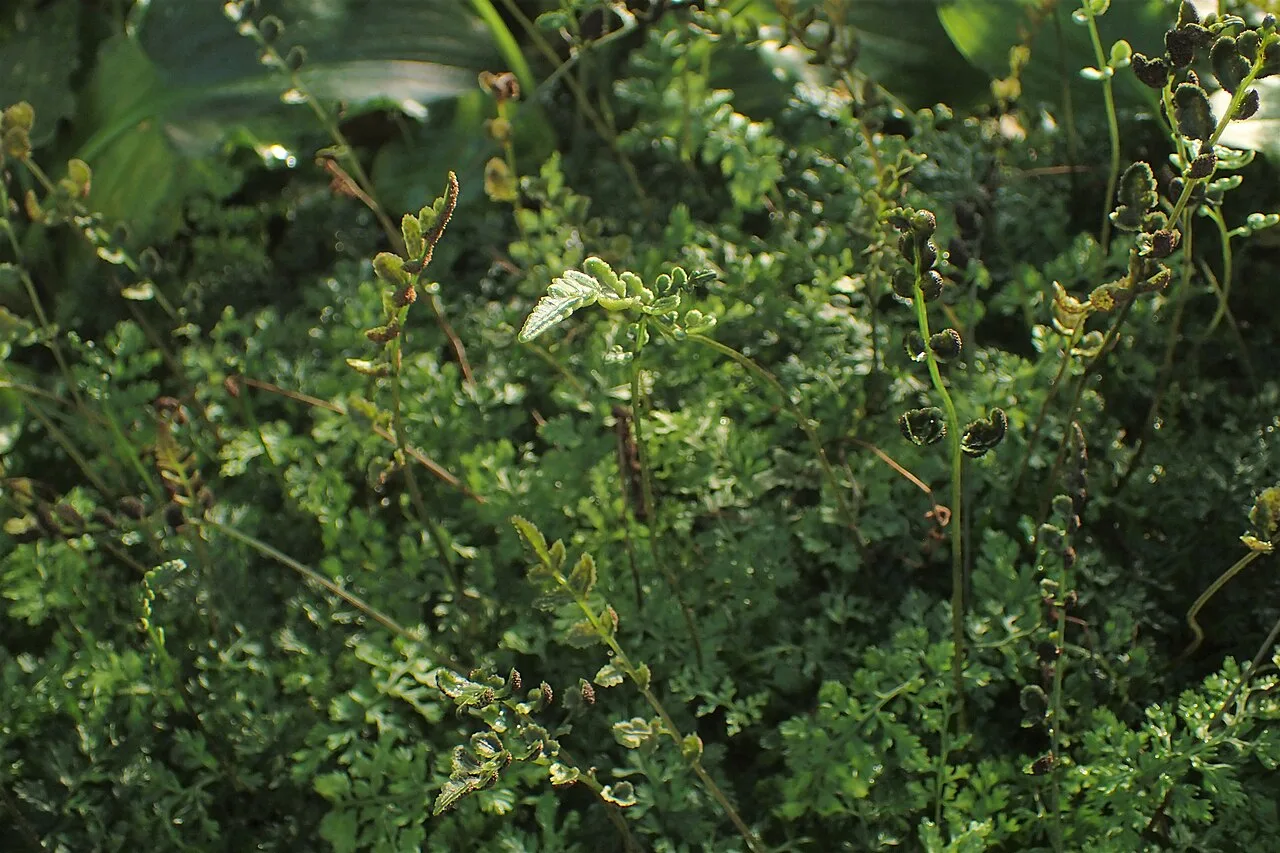
Bolbitis is the fern you choose for its fine, lacy leaves. Micro Aquatic Shop’s Mini Bolbitis is a small-leaved form that attaches to hardscape by its roots, and the listing gives light as low to moderate for six to eight hours a day. Six buyer reviews average a perfect rating, with one noting it attached very well to wood.
It’s harder than the others here. The same listing rates difficulty as medium, prefers soft water, and lists slow growth. That makes it a second-tank plant, not a first one.
At $35.00 (down from $45.00, 11 in stock) it’s the priciest single plant on this list by a clear margin, roughly double a Java fern. Buy it if you want something delicate on a piece of driftwood, and buy Java fern (entry 1) if you just want green.
Pros
- Fine, lacy leaves unlike any other pick
- Attaches to wood and rock without substrate
- Six Australian reviews averaging a perfect rating
Cons
- Difficulty rated medium and prefers soft water
- $35.00 for a single small plant
- Slow growth means slow payback
How to Choose
Decide first whether you want to plant into the substrate. If not, go with the attached plants: Java fern for the cheapest and easiest, Anubias nana for the toughest leaves, Bucephalandra for colour and Bolbitis for a fern look. If you do want rooted plants, Cryptocoryne wendtii is the pick, and it’s worth planting it into a proper base layer.
Then check the traps. Vallisneria at Micro Aquatic Shop is listed for medium to high light, and Aquafy’s Dwarf Sag page says medium to bright light even though its own blog calls Sagittaria a very low light plant. Micro Aquatic’s water wisteria page is also listed for moderate to high light. Where the retailers disagree, the safer assumption is that a plant needs more light than the low light label suggests.
Keep the light itself sensible. A dim tank grows plants slowly whatever you choose, so don’t add fertiliser to compensate. The guide to LED lights for planted aquariums shows what to upgrade to if you outgrow the low light group.
Aquarium Plant Guides
Dedicated plant care guides aren’t published on this site yet, so use these related pages instead. Browse Best Aquarium Plants for Beginners for a wider list, Best Aquarium Moss for attach-and-forget cover, Best Substrates for Planted Aquariums for rooted plants, and the Live Plants hub.
Frequently Asked Questions
What are the best low light aquarium plants for beginners?
Java fern and Anubias nana are the easiest. Both grow attached to wood or rock, so they need no special substrate, and both tolerate dim tanks and a temperature range of roughly 20 to 28 C. Australian prices start around $10 for Java fern and $12 for Anubias nana.
Do low light aquarium plants need CO2 or fertiliser?
No. The plants on this list grow without CO2 injection, and the attached ones absorb nutrients through their leaves. Rooted plants like Cryptocoryne benefit from a nutrient-rich substrate or root tabs. Extra fertiliser in a dim tank mostly feeds algae, so start without it.
Why are my Cryptocoryne leaves melting?
Crypt melt is a common adjustment reaction when the plant is moved to new water or light. Leave the roots planted, keep the substrate nutrient-rich, and wait, because the plant regrows new leaves adapted to your tank. One Aquarium Co-Op buyer reported their plant back near its original size with healthy new leaves after about two weeks of leaf loss.
Should I bury the rhizome of Java fern or Anubias?
No. Java fern and Anubias grow from a thick rhizome that rots if it’s buried in gravel or sand. Tie or glue the plant to wood or rock instead, or wedge it into a gap. The roots will grip on their own over time.
Can I buy live aquarium plants in Tasmania or Western Australia?
It depends on the seller. Micro Aquatic Shop says on several plant pages that it cannot ship live plants to Western Australia, the Northern Territory or Tasmania because of state restrictions. Check each retailer’s shipping policy before ordering, or ask a local aquarium shop.
For most Australian tanks, Java fern is the best low light plant to start with: cheap, widely stocked and tolerant of dim lighting, provided you keep the rhizome above the gravel. Anubias nana is the pick if you keep fish that shred softer leaves, and a crypt is the choice if you want a rooted foreground and can ride out the melt. Treat Vallisneria, Sagittaria and water wisteria as medium light plants unless you have a strong light.
