
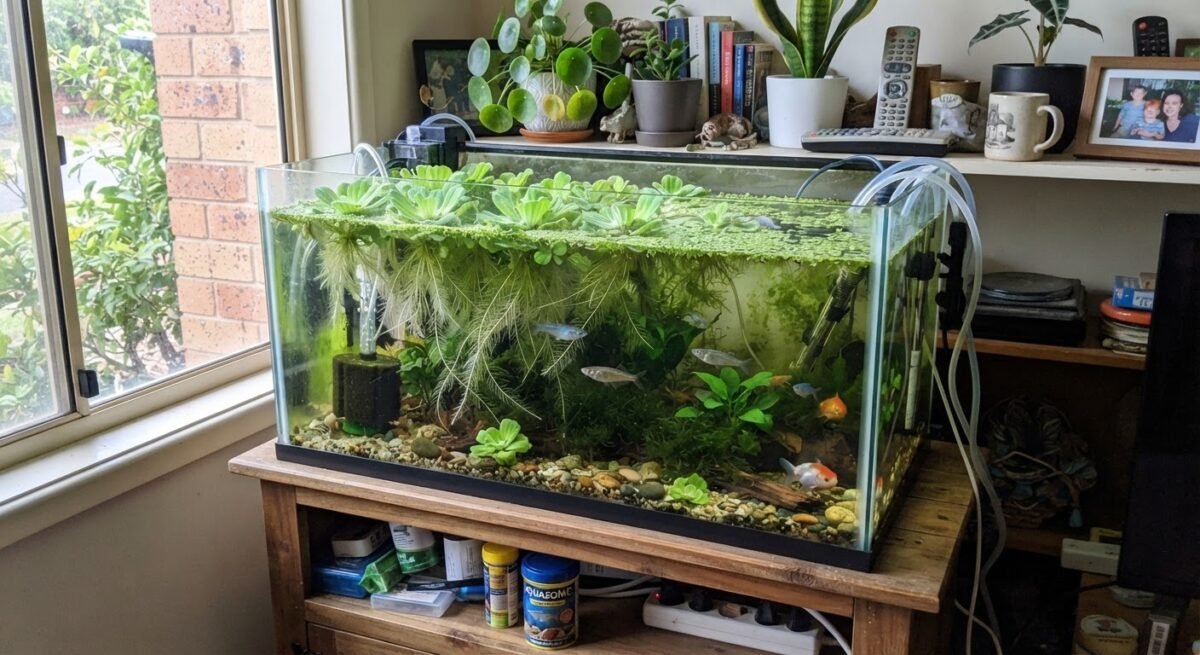
The best plants for aquaponics fish tank setups are fast-rooting plants that sit above the water line, feed on the nitrate from fish waste and stay clean enough to eat or display. In a small aquaponics tank the fish sit below and a planter, tray or hang-on holder sits on top, so plant roots trail into the water and act as a living filter.
The number that matters is water chemistry. Basil wants a pH of 5.5 to 6.5, watercress wants 6.6 to 7.5, and most fish and plants settle near pH 7, so a plant that suits your tap water and your fish is worth more than a fashionable one. This list gives the water each plant expects so you can match it.
It covers seven plants sold in Australia, including three houseplants that grow with their roots in water and four edible plants. It leaves out full commercial systems, fruiting crops such as tomatoes, and submerged aquarium plants, which are covered in the best aquarium plants for beginners.
Pothos is the safest start, since it survives dim light and only its roots need to touch the water. Mint and basil give the best herb harvest for the effort, and watercress suits cooler tanks. Lettuce works in a bigger system but bolts in Australian heat. Every pick here is researched, not tested in my own tank, so start small.
The Best Plants for Aquaponics Fish Tank Setups, Compared
| Plant | Type | Best For | Key Spec |
|---|---|---|---|
| Pothos (Epipremnum aureum) | Houseplant | Beginners and low light rooms | Tolerates very low light, roots in water, leaves above |
| Common Mint (Mentha spicata) | Edible herb | Steady harvest from one plant | Spreading, grows in full sun to heavy shade |
| Sweet Basil (Ocimum basilicum) | Edible herb | Sunny windowsill or grow light | pH 5.5 to 6.5, about 6 to 8 hours of light |
| Watercress (Nasturtium officinale) | Edible salad plant | Cooler tanks with moving water | pH 6.6 to 7.5, ideal 10 to 16 C |
| Lettuce (Green Mignonette) | Edible leaf crop | Larger tank-top trays in cool months | Cool weather, 4 to 6 hours of sun |
| Peace Lily (Spathiphyllum) | Houseplant | Filtered-light rooms and larger planters | Filtered light, shade tolerant |
| Lucky Bamboo (Dracaena sanderiana) | Houseplant | Tiny tanks and simple decor | Grows in water alone, bright indirect light |
How I Compared It
I have not run an aquaponics tank myself, so every pick is labelled Researched, as promised on the How We Test page. Water and light figures come from Go Green Aquaponics, We Know Water Gardens, Aquarium Co-Op and Heritage Hydroponics, and Bunnings and Aquafy supplied Australian care notes and prices. Reddit and the main aquarium forums block automated reading, so owner threads came only from search summaries. ProductReview.com.au only reviews stores, and CHOICE has no aquaponics testing. Prices were checked on 29 September 2026.
1. Pothos (Epipremnum aureum) – Best for beginners and low light rooms
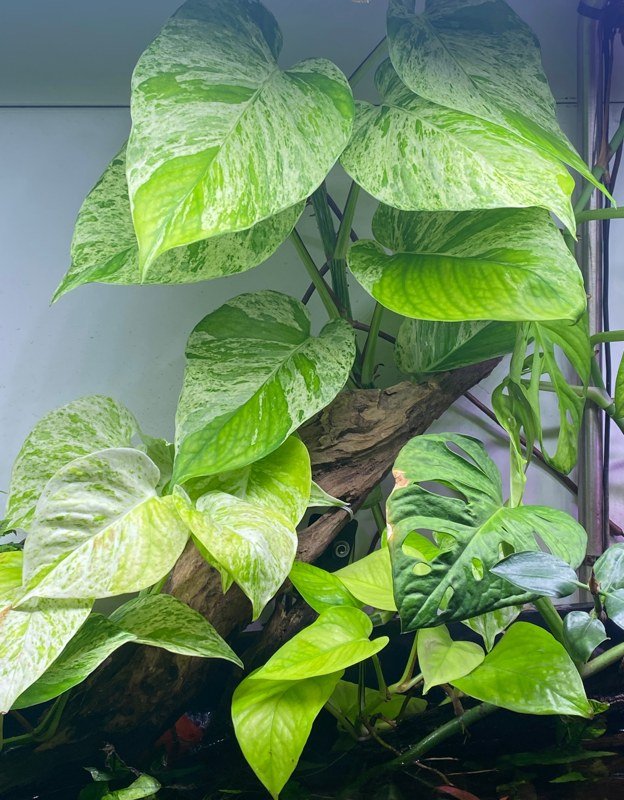
Pothos is the plant most people mean when they say aquaponics on a fish tank. Aquarium Co-Op says it reduces nitrate and algae, survives very low light and grows long roots that fish swim through. Aquafy sells two cuttings for $11.95 and stresses that only the roots go in the tank, because submerged leaves rot.
The trade-off is that it feeds nothing: it is a filter plant, not a food crop. It is also toxic to cats and dogs if chewed, though Aquarium Co-Op says it found no reports of harm to aquarium fish. Wash the roots well first, since Aquarium Co-Op warns to remove dirt and fertiliser. Compared with basil below, it needs almost no light management.
Pros
- Survives very low light, per Aquarium Co-Op
- Roots reduce nitrate in the tank
- Cheap at $11.95 for two cuttings
Cons
- Toxic to cats and dogs if chewed
- Nursery plants need thorough rinsing first
- Gives nothing to eat
2. Common Mint (Mentha spicata) – Best for a steady harvest from one plant
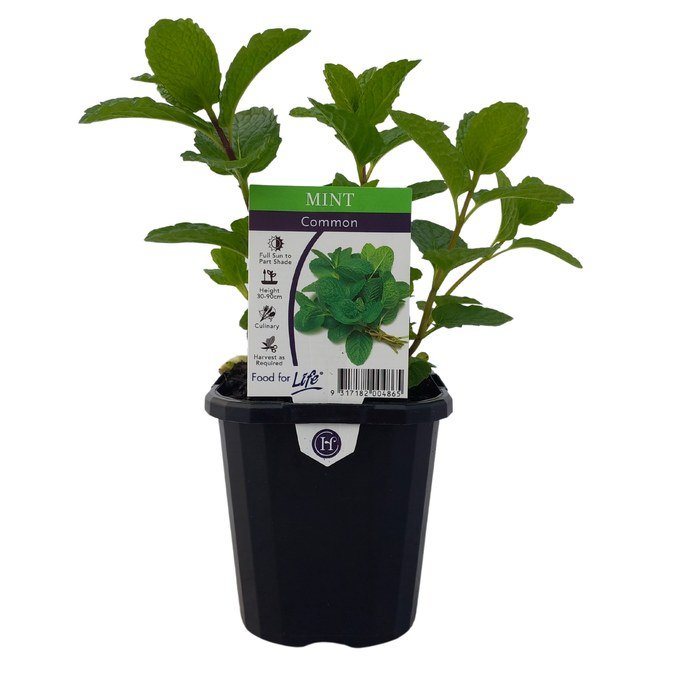
Mint suits aquaponics because it wants constant moisture. Bunnings describes a spreading perennial that likes cool, moist positions and partial shade, and Heritage Hydroponics lists mint for its small Penn-Plax systems. Bunnings also says mint grows in full sun through to heavy shade, which makes it forgiving of a dim kitchen bench. A 125 mm pot is $8.14.
The catch is spread. Bunnings warns mint runs into areas where you do not want it, so give it its own space and tip prune it. Roots that reach the water grow thick and can crowd a small planter. Against basil below, mint is far tougher, but it does not tolerate being left to itself.
Pros
- Tolerates a wide range of light, per Bunnings
- Roots love constant moisture
- Cheap at $8.14 a pot
Cons
- Spreads aggressively and can crowd a small planter
- Needs regular tip pruning
- Needs cool, moist conditions to stay lush
3. Sweet Basil (Ocimum basilicum) – Best for a sunny windowsill or grow light
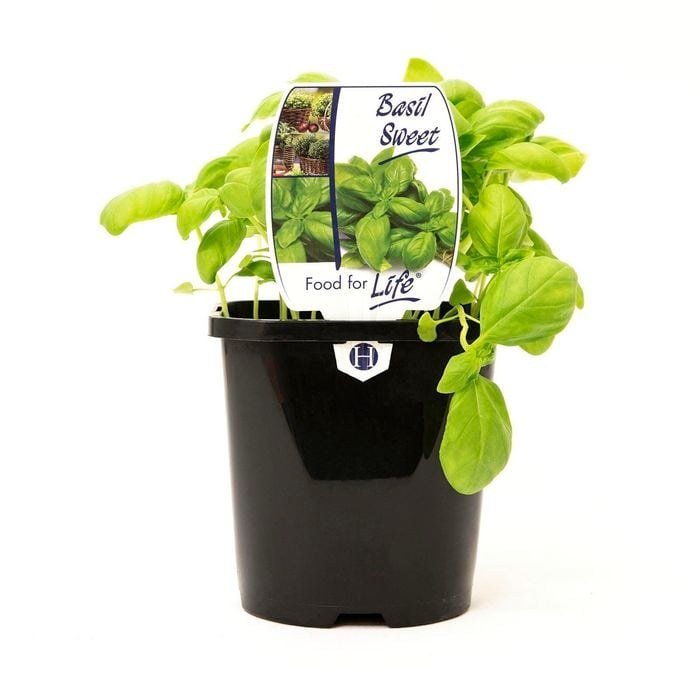
Basil is the most productive herb on a fish tank, but it is also the fussiest about conditions. Go Green Aquaponics gives a pH of 5.5 to 6.5, a temperature of 18 to 29 C, 6 to 8 hours of light and a harvest 25 days after germination. It also says not to remove more than a third of the plant when picking. A 125 mm pot is $8.14 at Bunnings, which describes it as frost-sensitive.
That pH range is the problem. A tank held near pH 7 for most fish sits above basil’s range, so it may yellow. Frost matters too if you place the tank on a cold Canberra or Hobart windowsill in winter. Compared with mint above, basil pays better in the kitchen but demands more light and warmer rooms.
Pros
- Fast harvest, ready around 25 days from seed, per Go Green Aquaponics
- Flavour is much better than supermarket packs
- Cheap at $8.14 a pot
Cons
- Prefers a lower pH than most fish tanks provide
- Needs 6 to 8 hours of light, so a windowsill may not be enough
- Frost-sensitive, per Bunnings
4. Watercress (Nasturtium officinale) – Best for cooler tanks with moving water
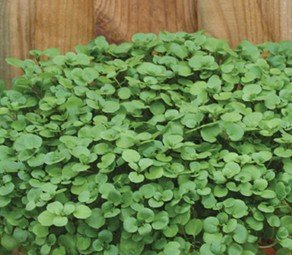
Watercress fits the fish tank idea better than most crops, since it lives with its roots in water. Go Green Aquaponics gives a pH of 6.6 to 7.5 and an ideal temperature of 10 to 16 C, which is cool for most tropical tanks. Bunnings says it suits all Australian climates and is ready 8 to 10 weeks from sowing, and Mr Fothergill’s Aqua watercress seeds are $4.80.
Two cautions apply. Bunnings warns watercress will not tolerate stagnant water, which can cause root rot, so the water needs to move. It also says not to forage wild watercress, especially near livestock, because of the risk of liver fluke. Harvest before it flowers, as Bunnings says flowering changes the flavour. Versus lettuce below, it is tougher but needs cooler water.
Pros
- Grows well with roots in water, per Bunnings
- Cheap seeds at $4.80
- Suits all Australian climates, per Bunnings
Cons
- Ideal water is much cooler than a tropical tank
- Stagnant water causes root rot
- Wild watercress can carry liver fluke
5. Lettuce (Green Mignonette) – Best for larger tank-top trays in cool months
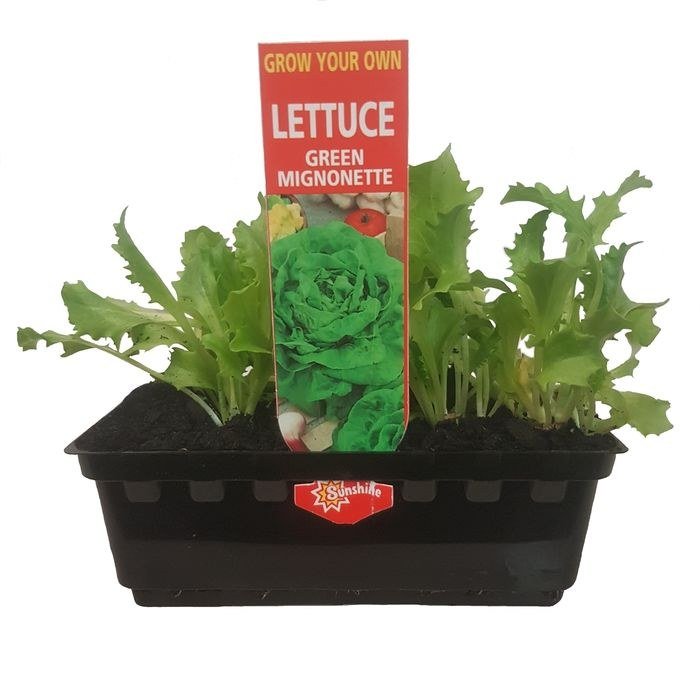
Lettuce is the classic aquaponics crop and it grows fast. Bunnings says it likes cool temperatures and partial shade, with 4 to 6 hours of sun a day, and seeds germinate in about seven days. A Green Mignonette punnet is $4.88, and Bunnings suggests planting a new row every fortnight for a steady supply.
Heat is the enemy. Bunnings warns that soil drying out can cause lettuce to bolt or turn bitter, and warm water does the same, so a January heatwave in Adelaide or Perth will wreck a tank-top crop. It suits winter and spring best. Its shallow roots also need more support than a hanging holder can give. Compared with watercress, lettuce is more familiar but far less tolerant of warmth.
Pros
- Fast from seed, germinating in about 7 days
- Cheap at $4.88 a punnet
- Fortnightly sowing gives a steady supply
Cons
- Bolts or turns bitter in heat or dry conditions
- Shallow roots need support in a small holder
- Works best in cooler months
6. Peace Lily (Spathiphyllum) – Best for filtered-light rooms and larger planters
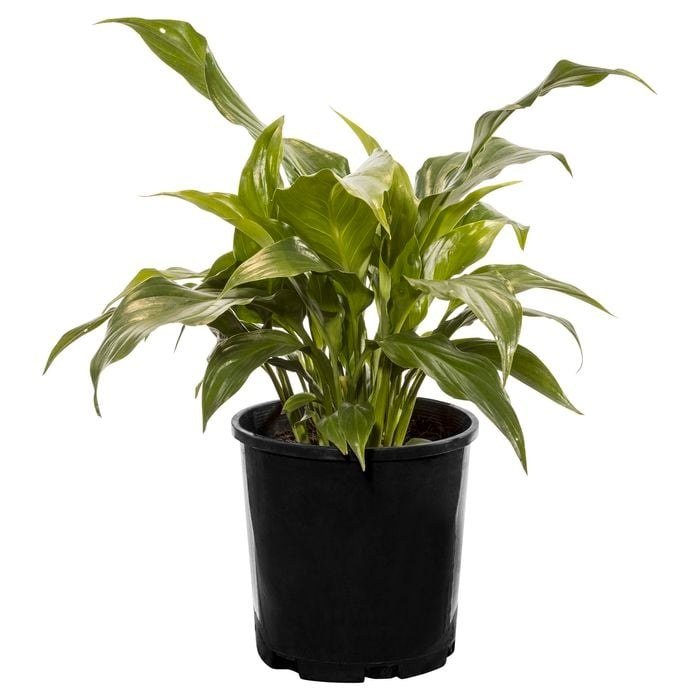
The peace lily is a shade-tolerant houseplant that Heritage Hydroponics lists for its small aquaponic tank sets. Bunnings sells a 140 mm plant at $17.40 and describes lush dark green foliage with white flowers, growing in filtered light. That makes it a decent choice for a dim living room where basil would sulk.
Evidence is thinner here. I found no aquaponics owner report or independent test, only seller and product-set listings. The Bunnings listing does not state pet safety, so check before placing one near cats or dogs. It is also the most expensive plant on this list. Against pothos, it looks tidier, but it does not spread or trail.
Pros
- Tolerates filtered light, per Bunnings
- Tidy upright shape with white flowers
- Listed for small aquaponic sets by Heritage Hydroponics
Cons
- Most expensive plant on the list at $17.40
- No independent aquaponics report found
- Bunnings gives no pet-safety information
7. Lucky Bamboo (Dracaena sanderiana) – Best for tiny tanks and simple decor
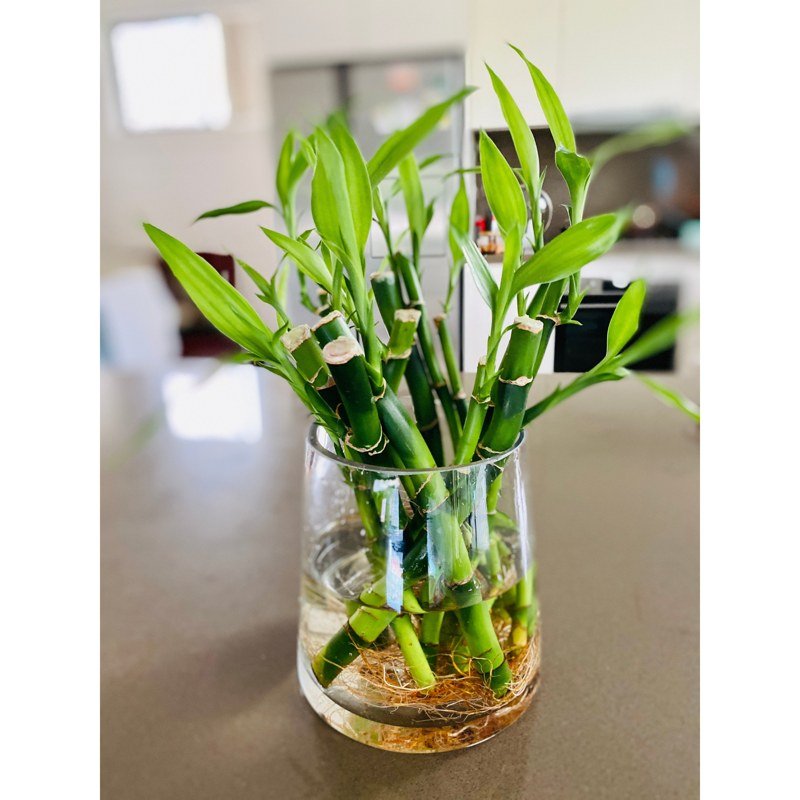
Lucky bamboo grows in water with no soil, so it suits the smallest setups. Aquafy sells a rooted cutting of at least 15 to 20 cm for $9.95 and says it tolerates light shade and indirect sun, growing larger in bright light. Heritage Hydroponics lists it for the smallest Penn-Plax unit, a 0.5 gallon (about 1.9 litre) tank.
Aquafy also warns that tap water chemicals can burn its stalks, so use filtered water and change it weekly, which is at odds with a tank full of dechlorinated water and fish. Treat that advice with care, and watch the tips for browning. It absorbs little compared with basil or mint. Against pothos, it costs less but does little for the water.
Pros
- Grows in water alone
- Tolerates light shade, per Aquafy
- Only $9.95 a cutting
Cons
- Seller warns tap water chemicals can burn stalks
- Slow, so it adds little nitrate uptake
- Only seller data found
How to Choose
Start with the light you actually have. A dim room suits pothos, peace lily or lucky bamboo, while herbs need a sunny windowsill or a grow light. Then match the water: keep your pH stable near the 7 that most fish prefer, and test it weekly with a reliable aquarium water test kit. Always treat top-up water with a good water conditioner before it reaches the fish.
Keep the fish in mind too. A single betta in a small tank suits a hang-on holder, as covered in the best betta fish tanks, and a compact system suits a small fish tank. Not sure about feeding? Feed lightly and watch the plants: yellow leaves mean the fish are not producing enough, and cloudy water means too much.
Do not use plants from a wild creek or a pond, and never tip old plant trimmings or fish water into a drain or waterway. Bunnings warns against foraging wild watercress near livestock because of liver fluke. Fish choices are also state-based: native fish such as silver perch and barramundi are used in Australian aquaponics, but rules on keeping them vary, so check with your state fisheries agency. I did not confirm the position for every state.
Aquaponics and Plant Guides
Explore the best aquarium plants for beginners for submerged plants, the best aquarium plant fertilizers for feeding an established tank, and the Live Plants hub for more plant guides.
- best background plants for aquariums
- what plants you can put in a fish tank
- best foreground aquarium plants
- best aquarium carpet plants
Frequently Asked Questions
What is the easiest plant to grow on top of a fish tank?
Pothos. Aquarium Co-Op says it survives in very low light and reduces nitrate, and Aquafy says only the roots go in the water while the leaves stay above it. Lucky bamboo is a close second, since it grows in water alone. Herbs give a harvest but need much more light and attention.
How many fish do I need for aquaponics?
Enough to feed the plants, but not so many that the water quality fails. One guide gives a rule of about 2.5 cm of fish per 3.8 litres. A small betta or a few small fish suit a compact tank-top planter, while herbs and lettuce in a bigger system need more fish. Test ammonia and nitrite weekly.
Can I put any herb in an aquaponics setup?
Most soft herbs work, but their water needs differ. Go Green Aquaponics gives basil a pH of 5.5 to 6.5 and watercress 6.6 to 7.5, while We Know Water Gardens says most plants and fish prefer around pH 7. Woody herbs like rosemary want far more light and space than a tank top offers.
Are nursery plants safe to put in a fish tank?
Not straight from the pot. Aquarium Co-Op says to wash off all the dirt and fertiliser from the roots, and forum keepers warn nursery plants may carry pesticides that harm shrimp and snails. Rinse the roots thoroughly and let the bare-root plant soak in dechlorinated water for a few days before adding it.
Do I need to feed the fish differently in aquaponics?
Feed normally, but adjust to the season. We Know Water Gardens suggests feeding daily during the warm growing season and about once a week in cooler months. In a small tank-top system, the fish food is the plants’ only nutrient source, so do not overfeed, and use only fish-safe fertiliser if you add any.
For most Australian keepers, start with pothos, because it is cheap, survives dim rooms and only needs its roots in the water. Add mint or basil if you have a sunny bench and want a real harvest, and pick watercress for a cooler tank with moving water. Keep lettuce for cool months, and treat peace lily and lucky bamboo as tidy decor rather than food crops.
